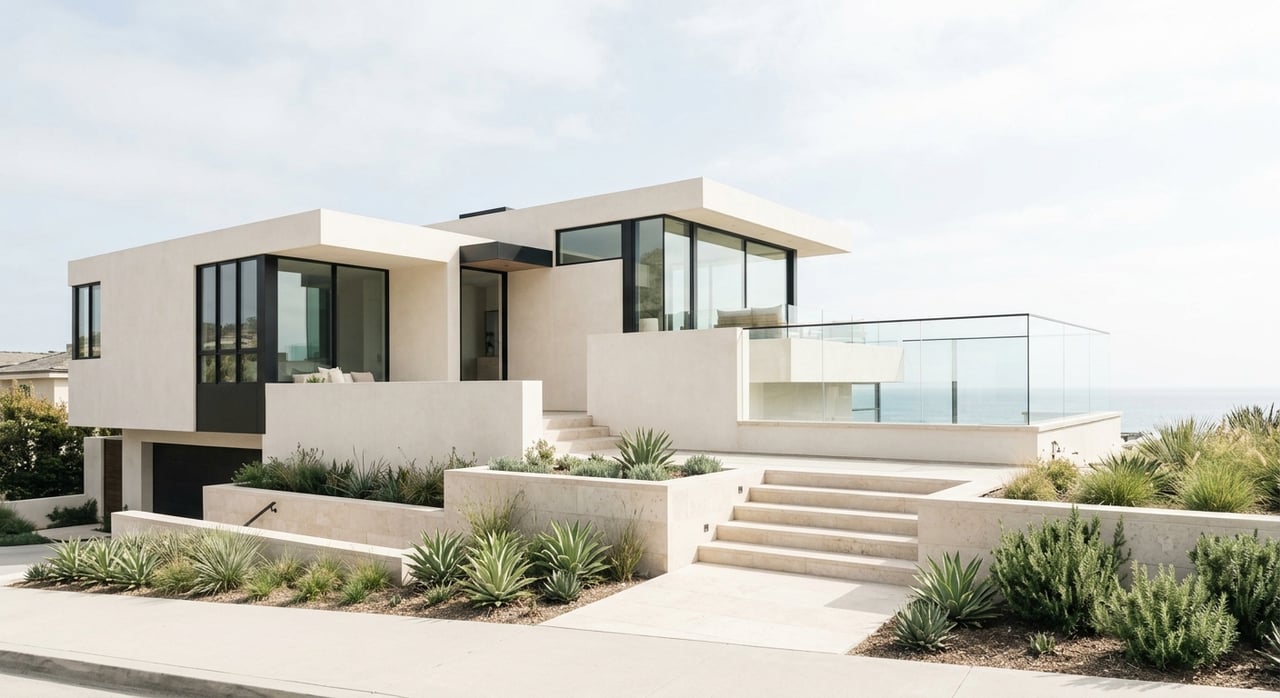
If you have ever wondered why two La Jolla homes with “ocean views” can sell at very different prices, you are asking the right question. In this market, the view alone does not tell the whole story. What really matters is how durable, wide, walkable, and usable that view is, along with where the home sits in La Jolla’s tightly built coastal landscape. Let’s dive in.
La Jolla value starts with scarcity
La Jolla is not a market where every view carries the same premium. The community spans about 5,718 acres, has roughly 32,000 residents, and is described by the City as about 99 percent built out. That limited supply helps explain why homes can separate sharply in value by block, elevation, and exposure.
This is also a market with real price segmentation. Public market snapshots show a median sale price around $2.4 million over the three months ending April 2026, while current asking prices have been around $2.80 million to $2.85 million with about 46 days on market. In other words, La Jolla behaves like a premium coastal market with many distinct submarkets, not one blanket “ocean view” category.
View quality drives the premium
Not all ocean views are equal, and buyers usually price that in. Research cited in the report found that the highest-quality ocean views can raise the price of a comparable home by almost 60%, while lower-quality ocean views may add closer to 8%. Another study found an average premium of about 15% for an unobstructed sea view.
The key phrase is view quality. A sweeping, unobstructed panorama usually commands more than a narrow water peek or a framed corridor view between rooftops. In La Jolla, that difference can translate into a meaningful gap in price, even when two homes have similar square footage.
What buyers are really paying for
In many cases, buyers are paying not just for what they see today, but for how likely that view is to remain. City planning documents in La Jolla identify public view corridors in areas like La Jolla Shores and note that projects are reviewed case by case to preserve public views. That suggests the market may reward view permanence, not just present-day visibility.
If a home has a broad sightline, favorable orientation, and less risk of future obstruction, the premium may be more durable. If the view depends on a neighbor never changing a roofline or adding to a structure, buyers may be more cautious.
Topography creates a price ladder
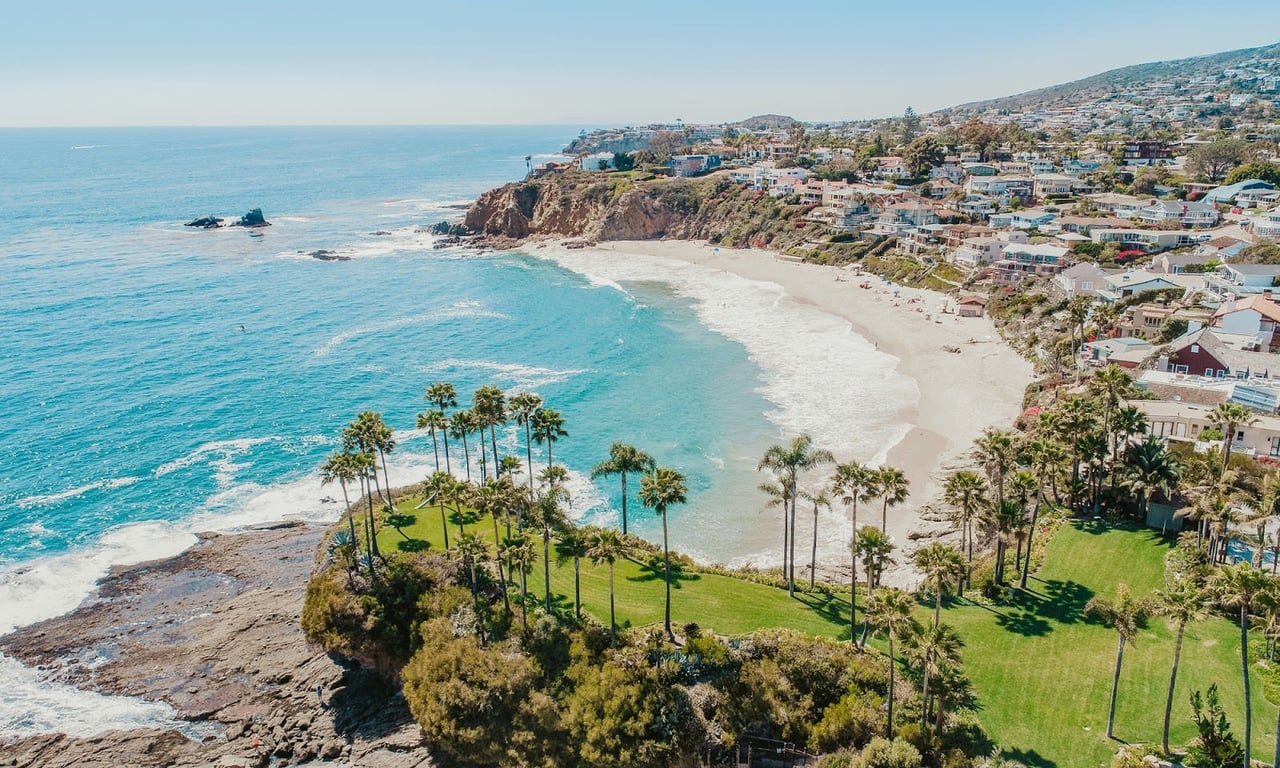
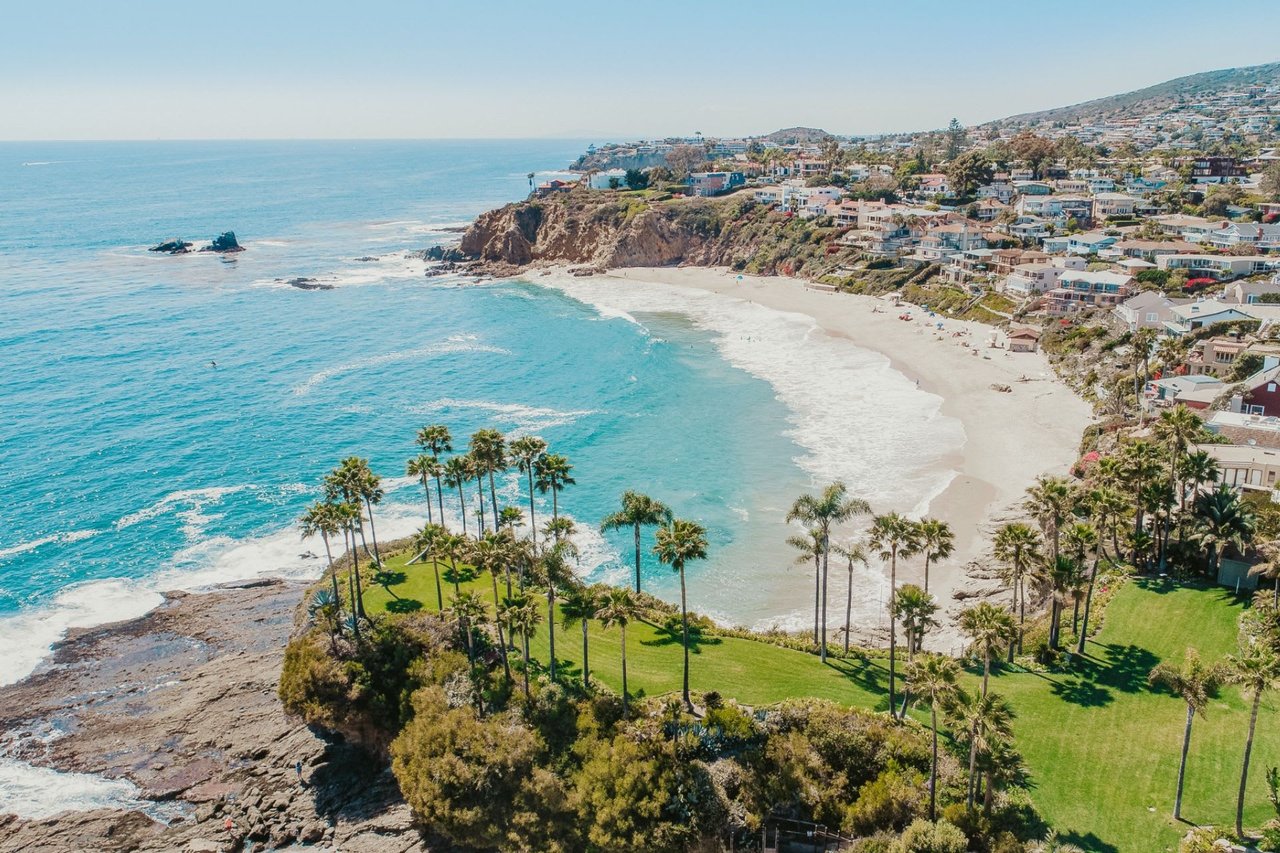
La Jolla’s landscape plays a huge role in home value. Ocean bluffs, steep hillsides, canyons, and the slopes around Mount Soledad create a built-in vertical hierarchy. Homes higher on a bluff or hillside often capture wider panoramas, while lower or more set-back properties may have partial views, corridor views, or no ocean view at all.
That means location is not just about the neighborhood name. It is also about the lot’s elevation, street alignment, setback, and orientation. Two homes on nearby streets can have very different value profiles because one lot has a much stronger visual position.
Why one block can outperform another
In La Jolla, a single block can change the whole pricing story. A home on the higher side of the street may enjoy broader coastline views, while a lower-positioned home may look into rooftops or landscaping. The market often recognizes those differences quickly.
This is why broad averages can be misleading. If you are buying or selling an ocean view home, it is important to compare against homes with a similar topographic advantage, not just similar bedroom and bath counts.
View permanence matters as much as view presence
One of the most important value drivers in La Jolla is whether a view feels stable over time. A great view on listing day is helpful, but a view that is less vulnerable to future obstruction often carries more weight. That is especially true in a community where land is limited and redevelopment pressure can be real.
Public tools like the City of San Diego maps, SanGIS parcel map, official zoning map, and community land-use maps can help you understand lot position and surrounding context. They are a practical starting point for checking whether a property sits near a designated view corridor or in an area where future changes nearby could matter.
Why this affects buyers and sellers
If you are a buyer, you want to know whether the premium is tied to a durable amenity or to a view that could shrink later. If you are a seller, showing how your lot position and surrounding conditions support long-term view value can strengthen pricing strategy. In La Jolla, this kind of detail often matters more than generic marketing language.
Bluff-top homes have special appeal and special risk
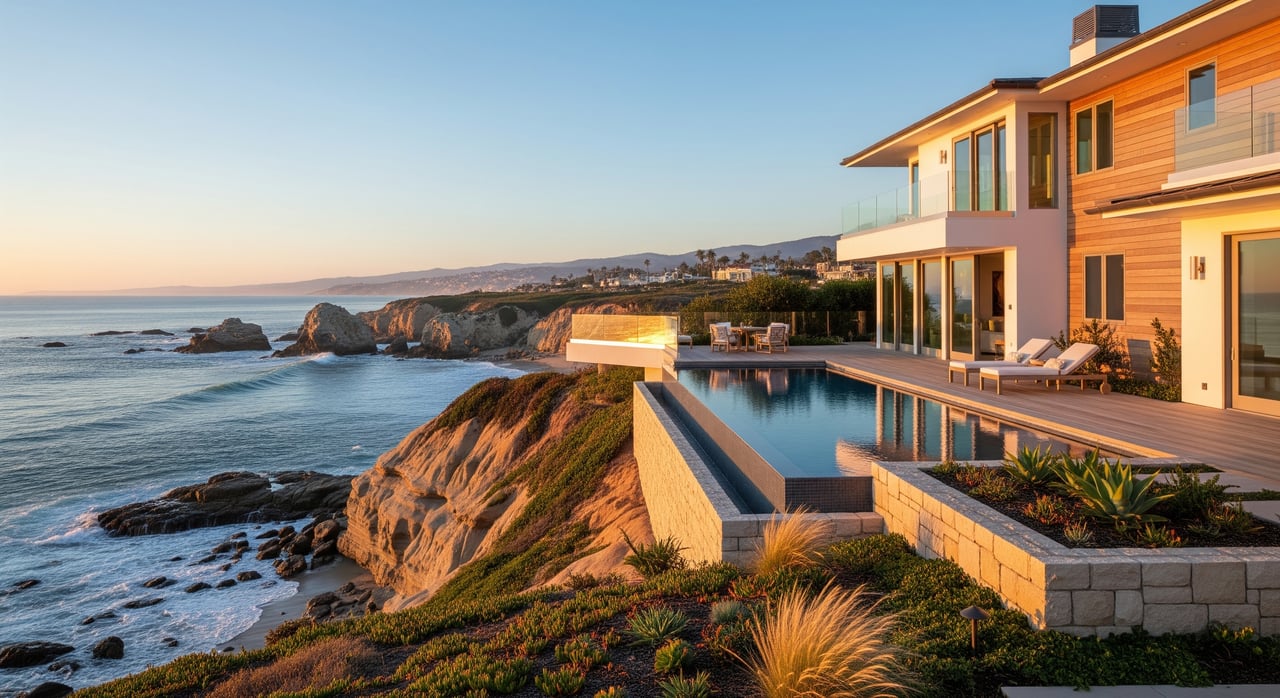
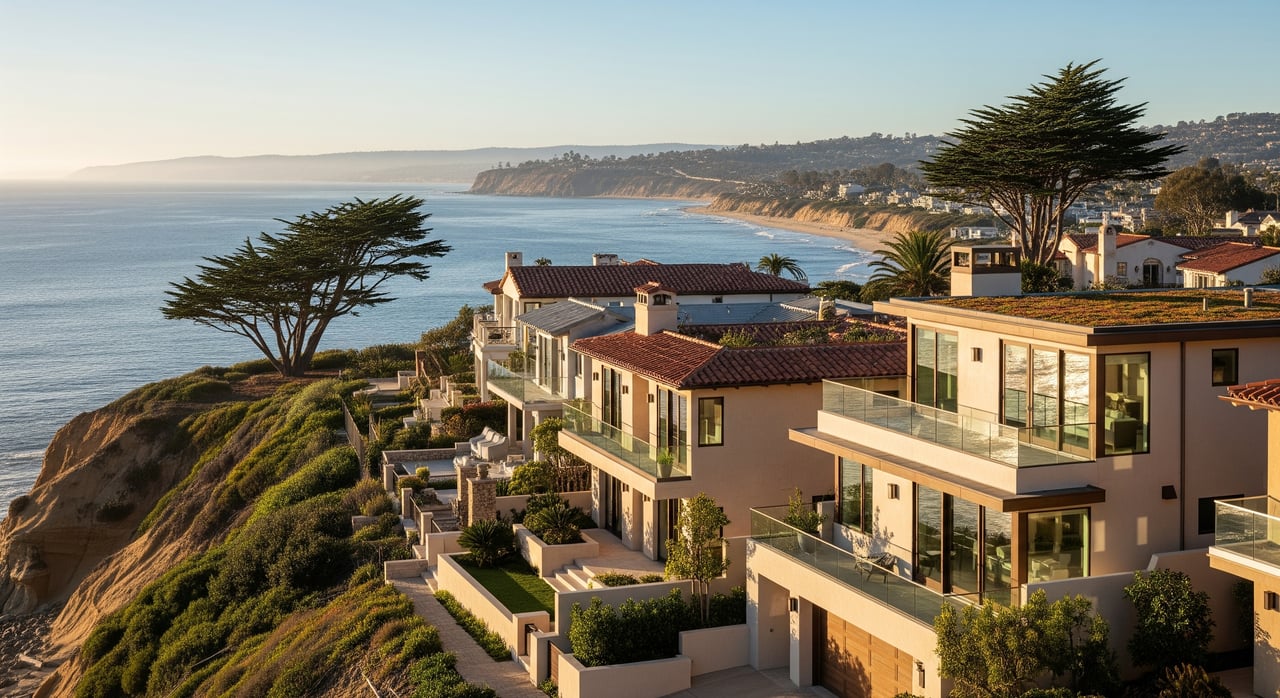
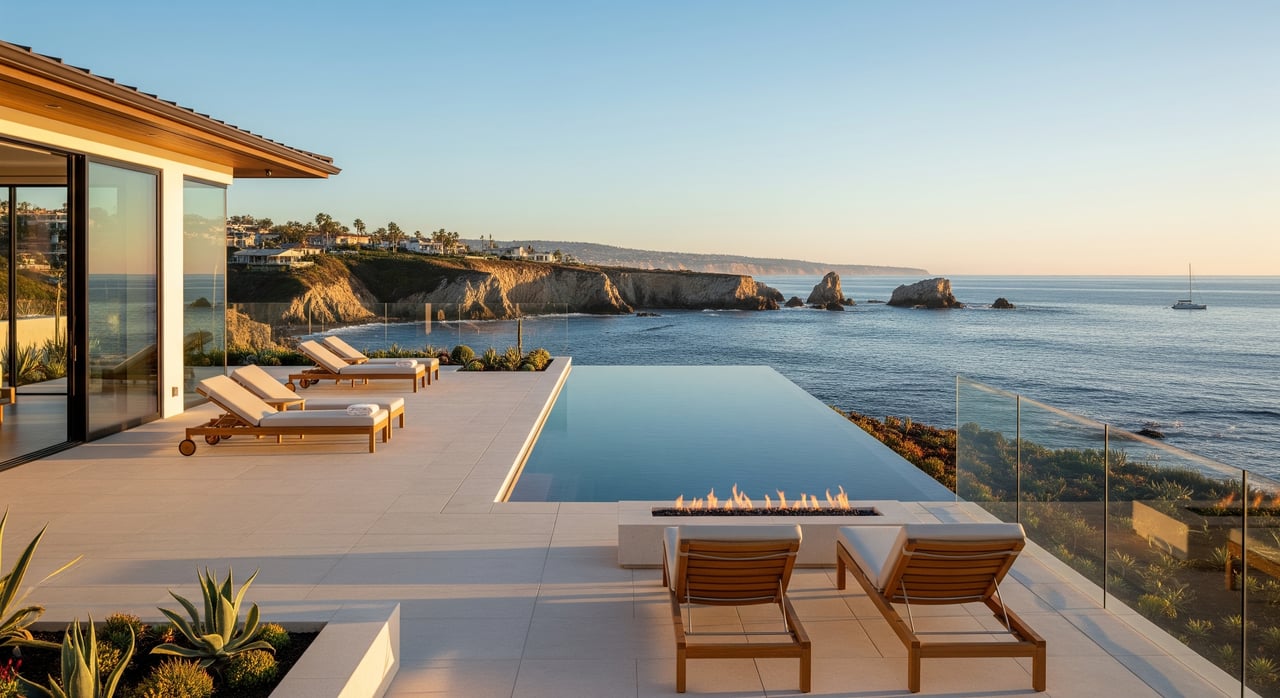
Bluff-top properties often command attention because they can offer dramatic views of the ocean and coastline. The La Jolla Community Plan specifically describes the shoreline bluffs as offering magnificent vistas. That visual impact can make bluff-top homes some of the most compelling properties in the market.
At the same time, bluff sites come with added considerations. The same planning documents note that some bluffs are susceptible to erosion, and coastal bluff regulations are intended to limit damage and maintain public access. So when pricing a bluff-top home, scenery is only part of the equation.
Why geology and regulation matter
Buyers in this segment are often looking beyond the photos. They may also be thinking about site conditions, long-term maintenance, and the regulatory environment around bluff development. As a result, two homes with similarly dramatic views may still trade at different price levels depending on their risk profile and site characteristics.
Walkability adds another layer of value
La Jolla is a view market, but it is also a lifestyle market. The community is centered around the Village, the Shores, and Bird Rock commercial districts, with access to beaches, parks, libraries, recreation centers, dining, shopping, and other amenities. Homes that combine ocean views with easy access to these areas can capture a convenience premium.
That matters because buyers are often evaluating more than the horizon line. They are also thinking about how a home fits daily life, whether that means walking to the Village, getting to the beach more easily, or enjoying nearby restaurants and coastal amenities.
The Village, Shores, and Bird Rock effect
Location within La Jolla can shape pricing in a big way. Public market data shows meaningful differences across submarkets, including median listing prices around $2.92 million in the Village, around $2.45 million in La Jolla Shores, and around $3.65 million in Beach Barber. Those numbers are a reminder that the local market is highly segmented.
For ocean view homes, the strongest values often come from a combination of visual appeal and convenience. A good view paired with walkability can outperform a similar view in a less connected location.
Architecture shapes how much the view is worth
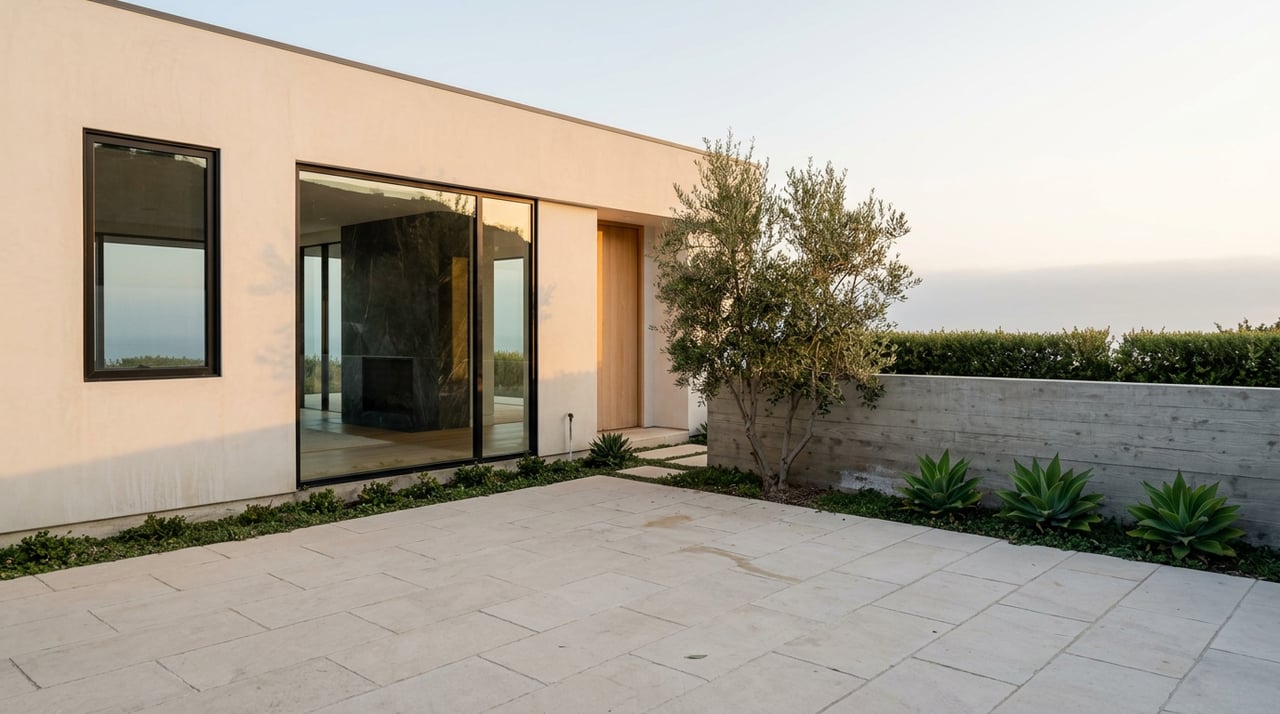
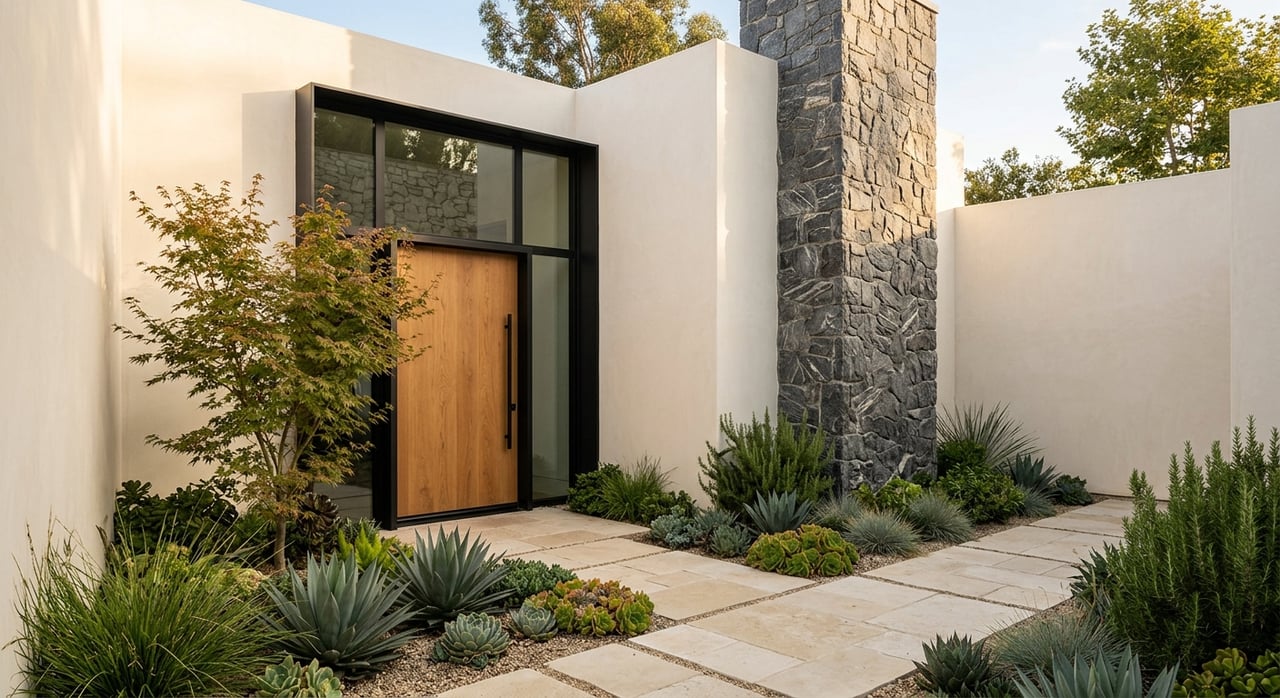
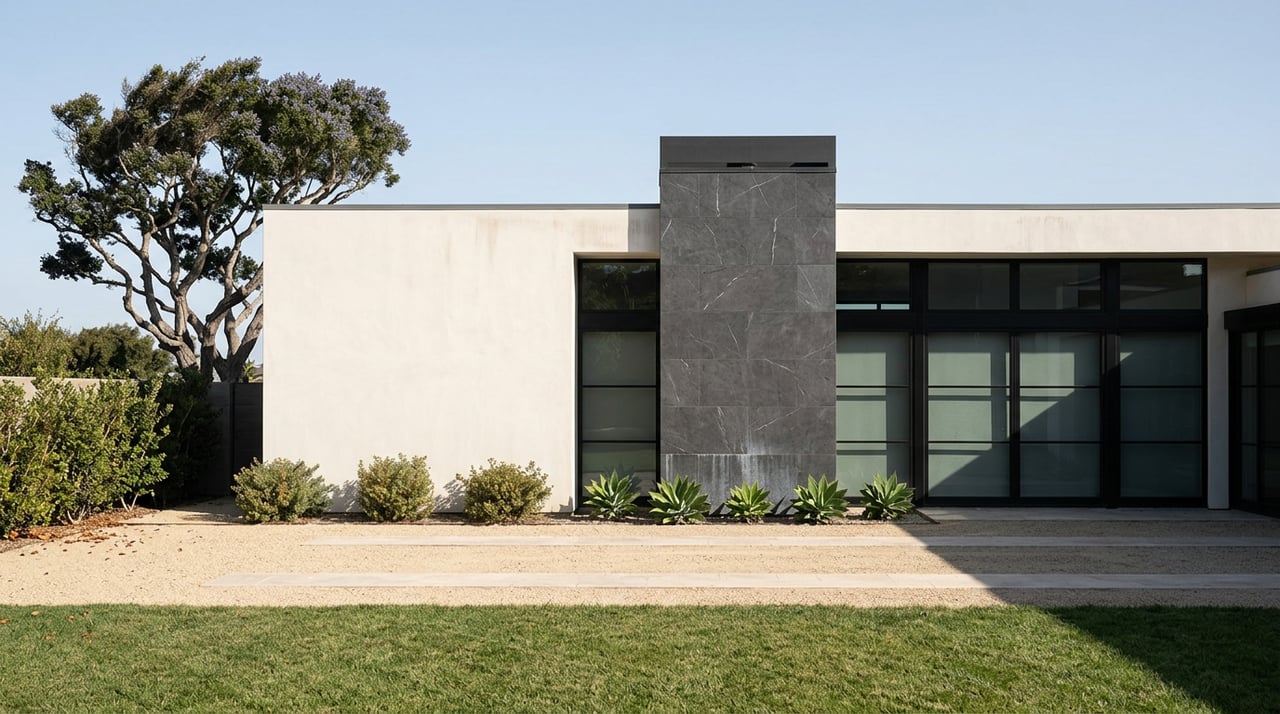
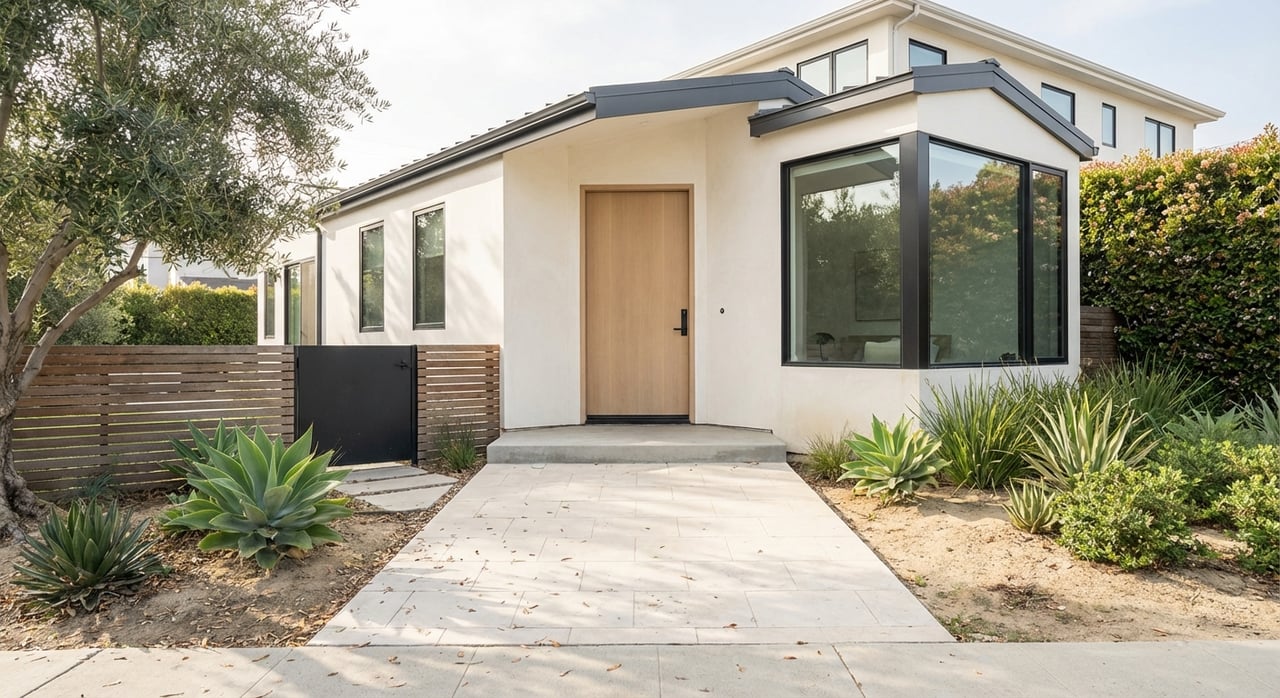
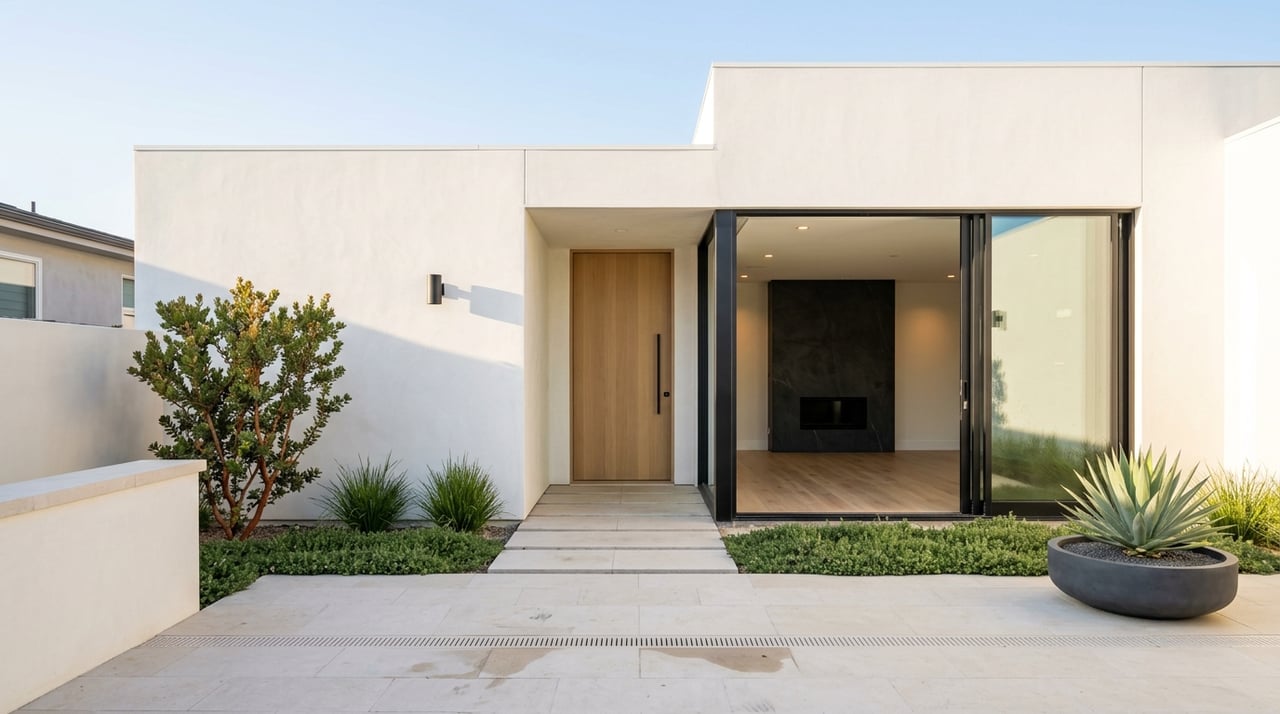
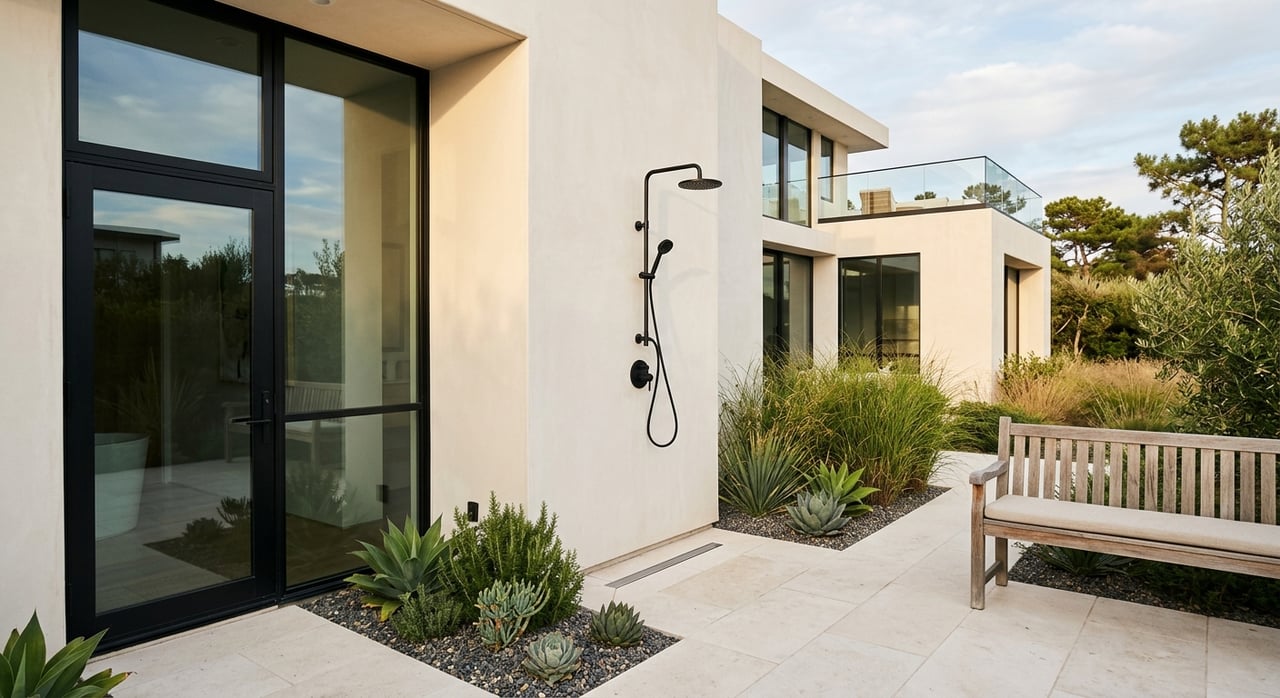
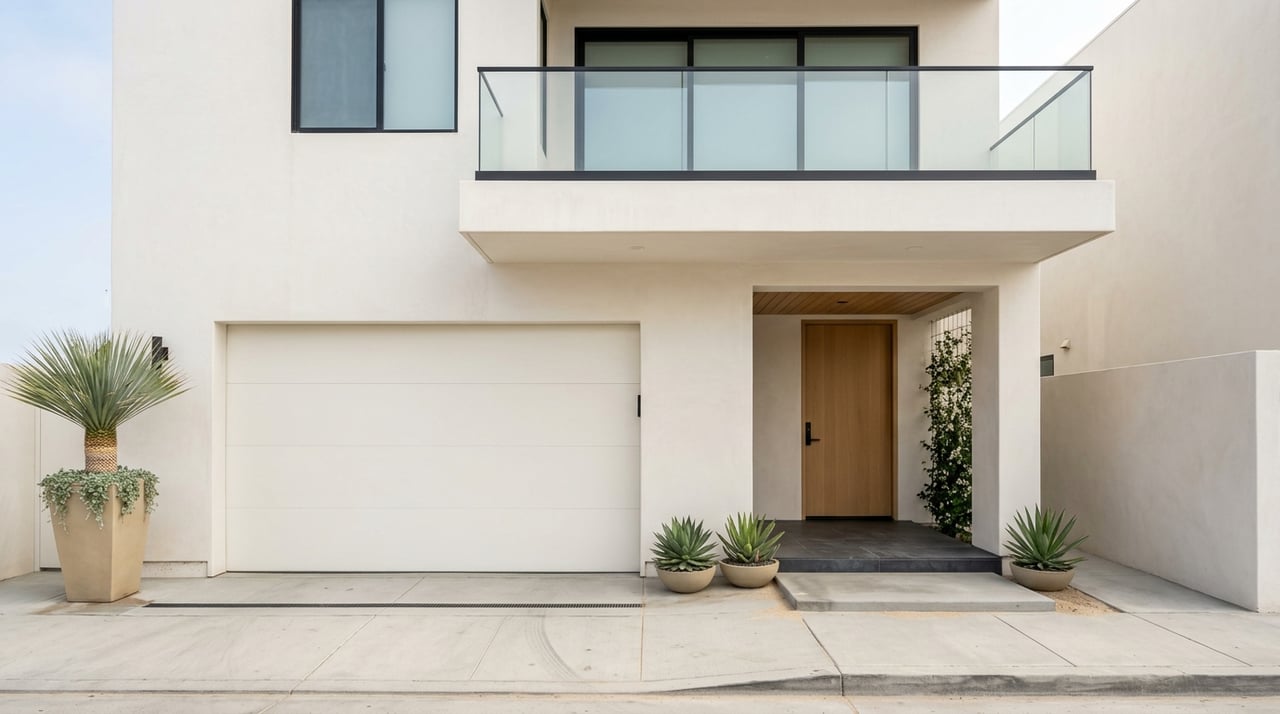
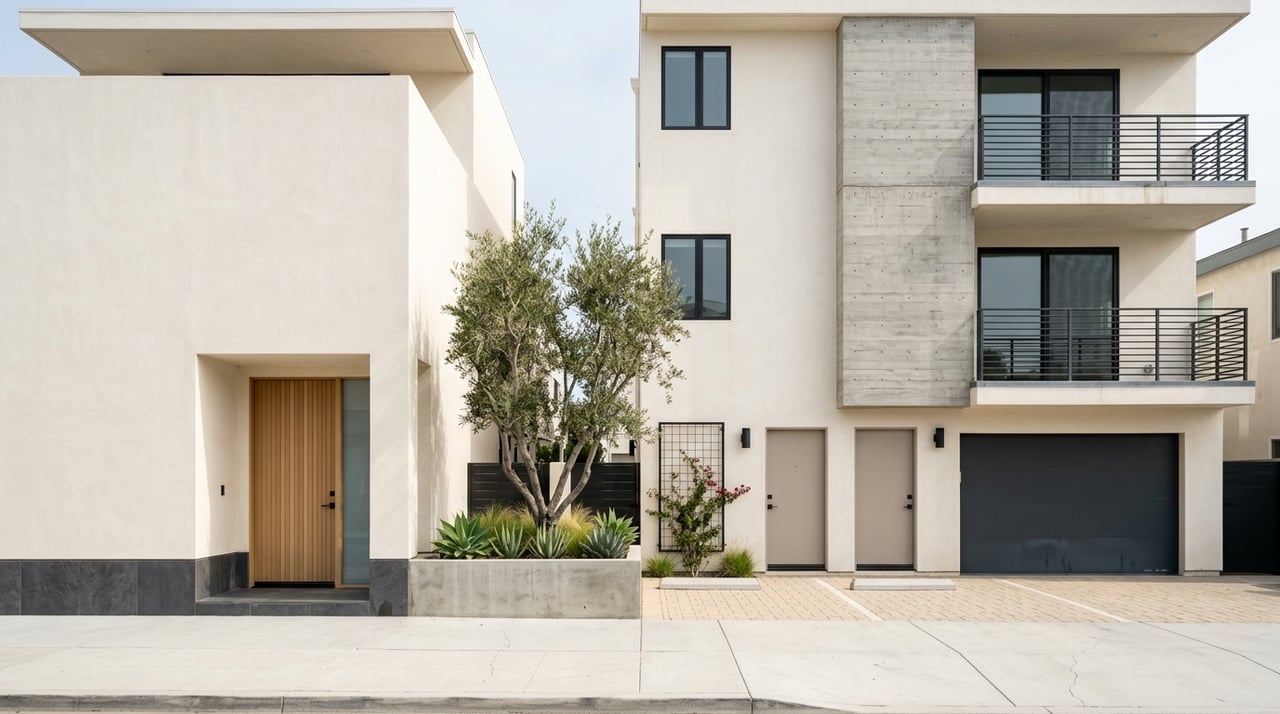
A strong view does not always reach its full value if the home itself falls short. City planning guidance in La Jolla emphasizes natural features, streetscape themes, and a harmonious relationship between the bulk and scale of new and older structures. In practical terms, buyers tend to respond better to homes that feel visually balanced and well integrated with the street and site.
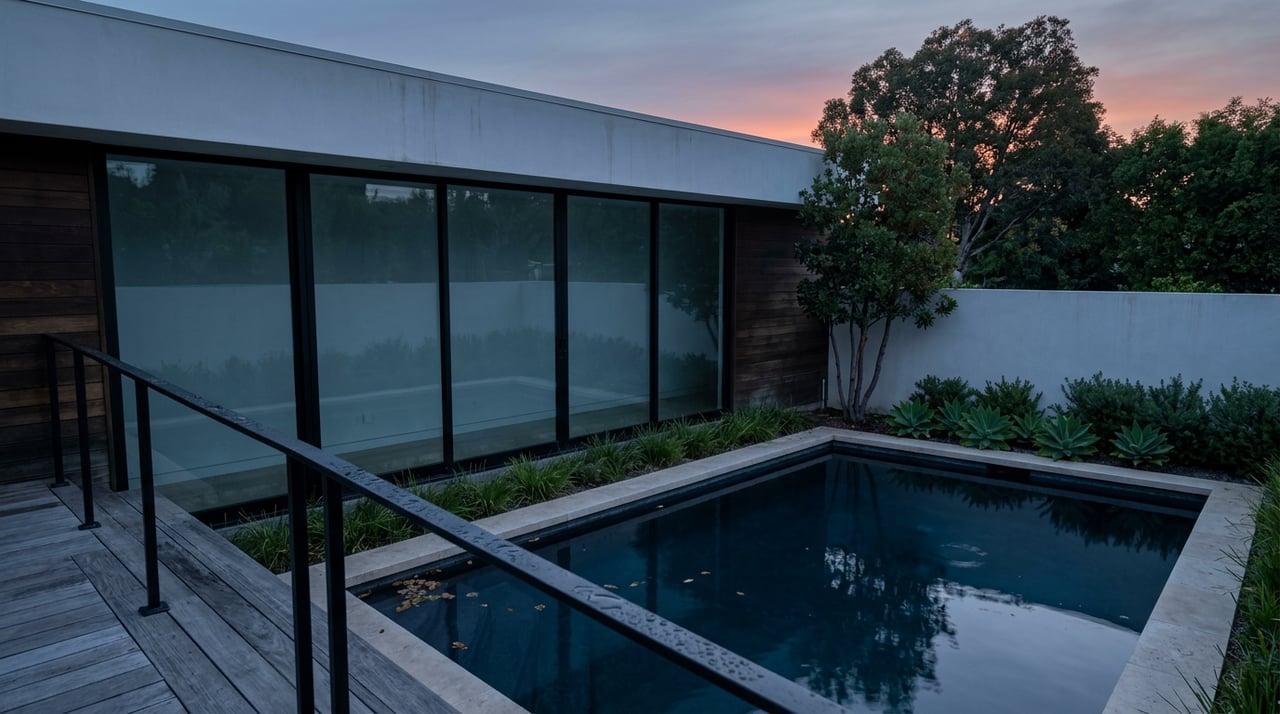
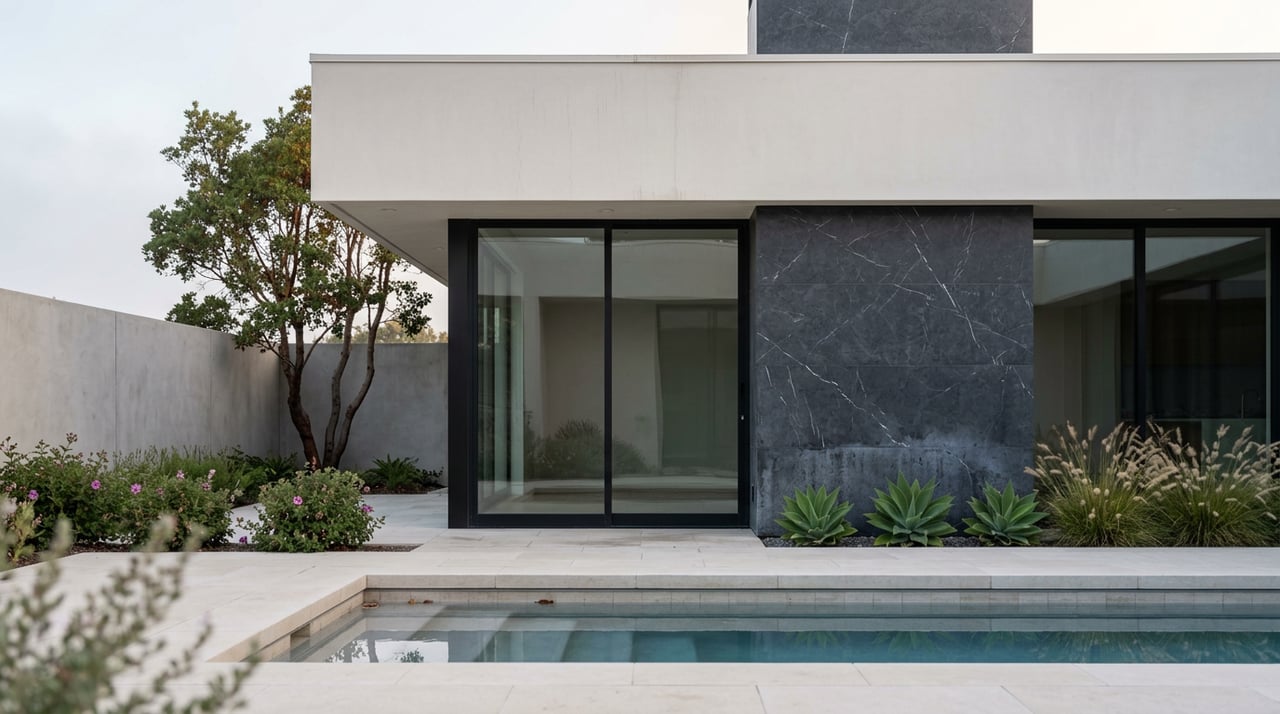
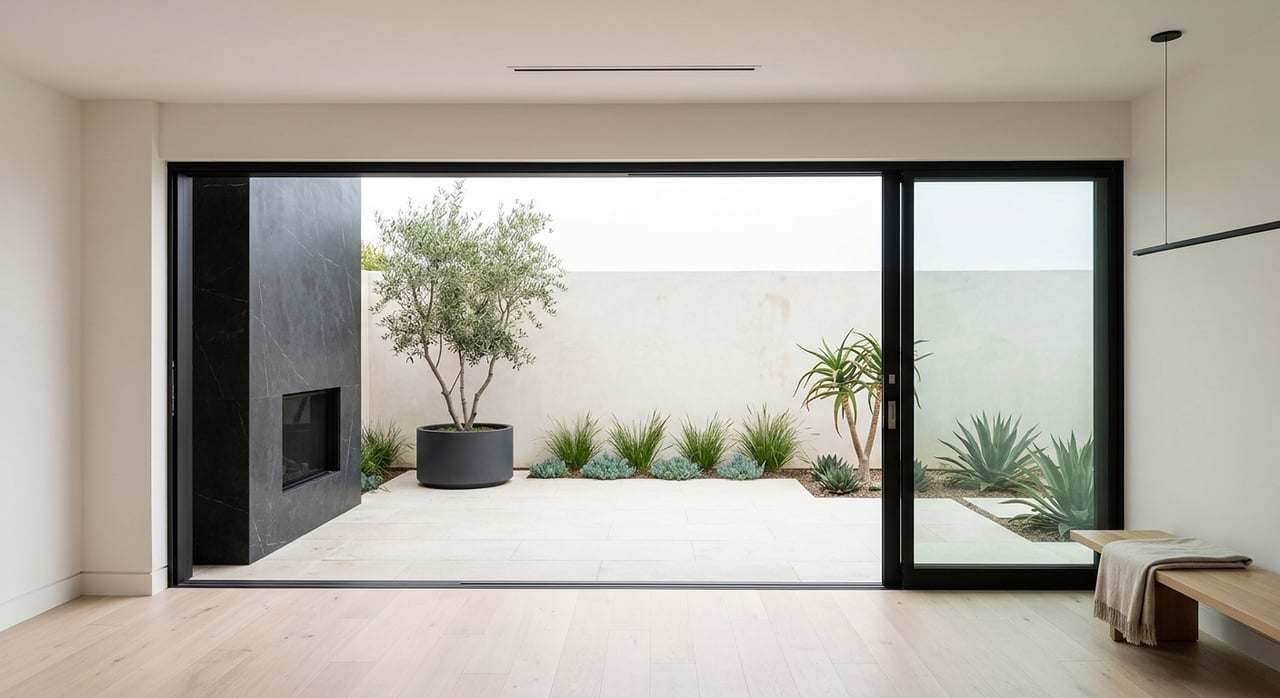
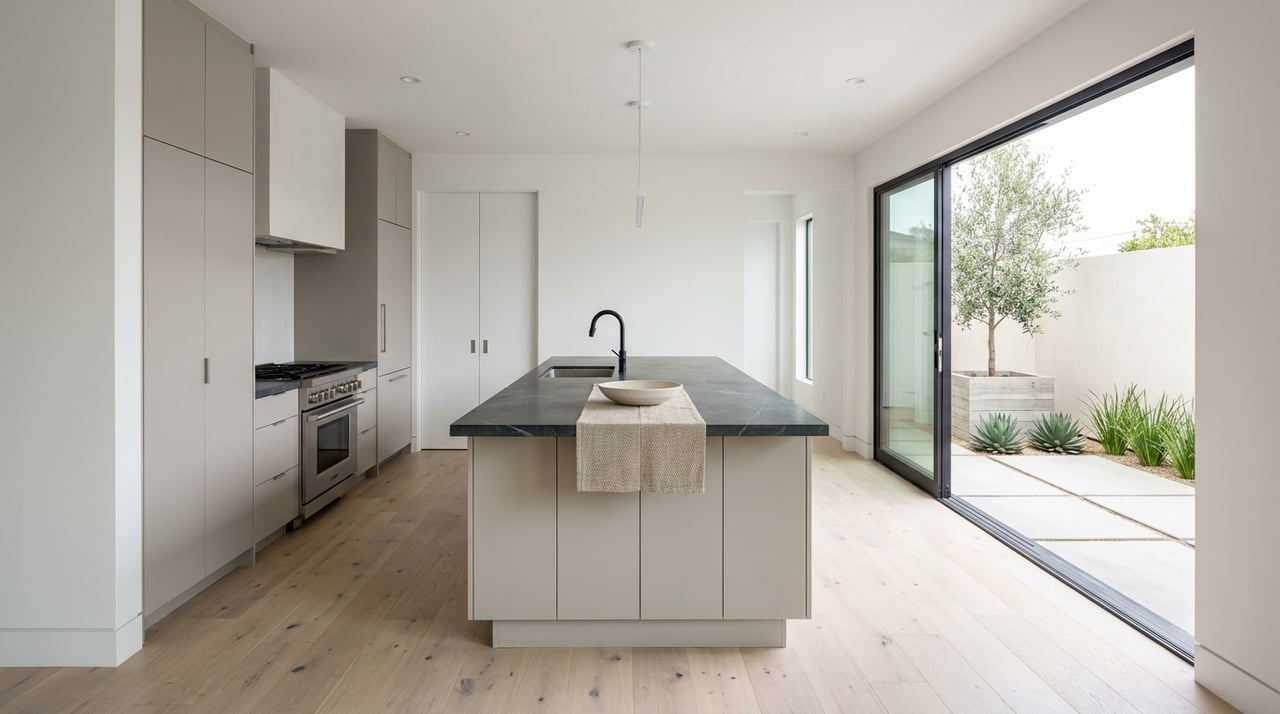
That helps explain why two homes with similar views may still sell differently. Design, curb appeal, privacy, and indoor-outdoor flow all affect how enjoyable the view feels in everyday living.
Design can unlock more value
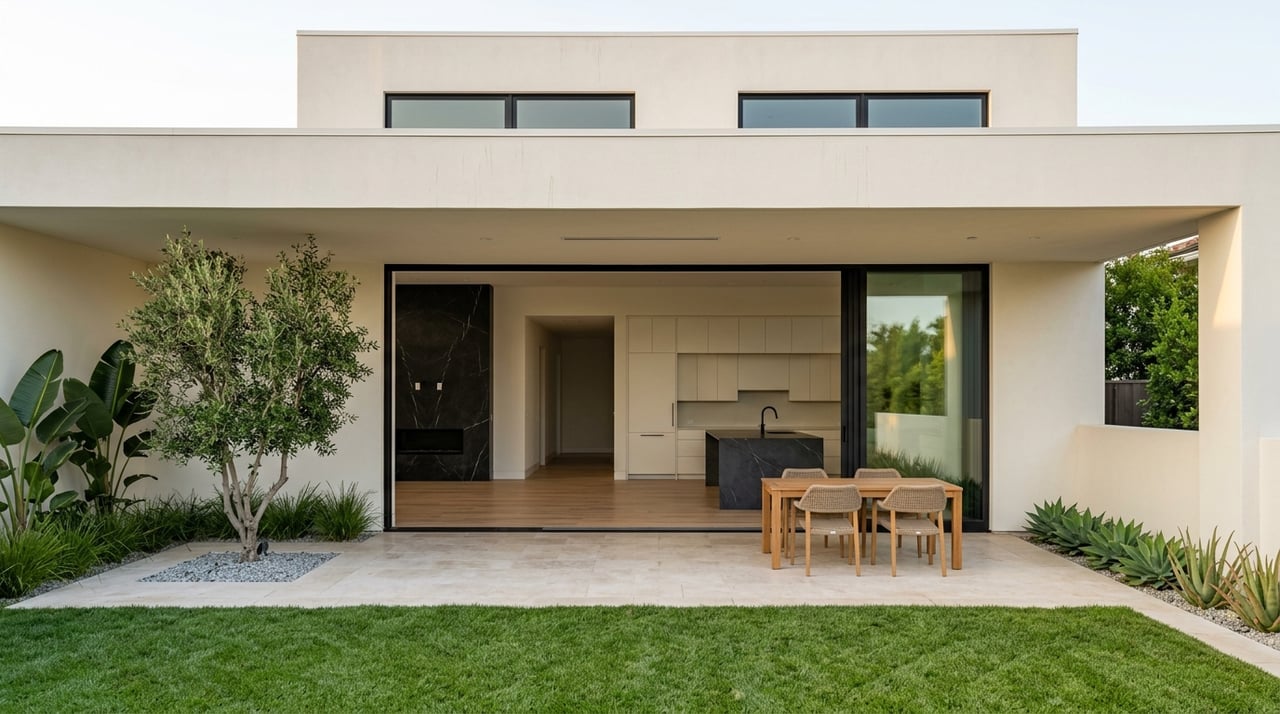
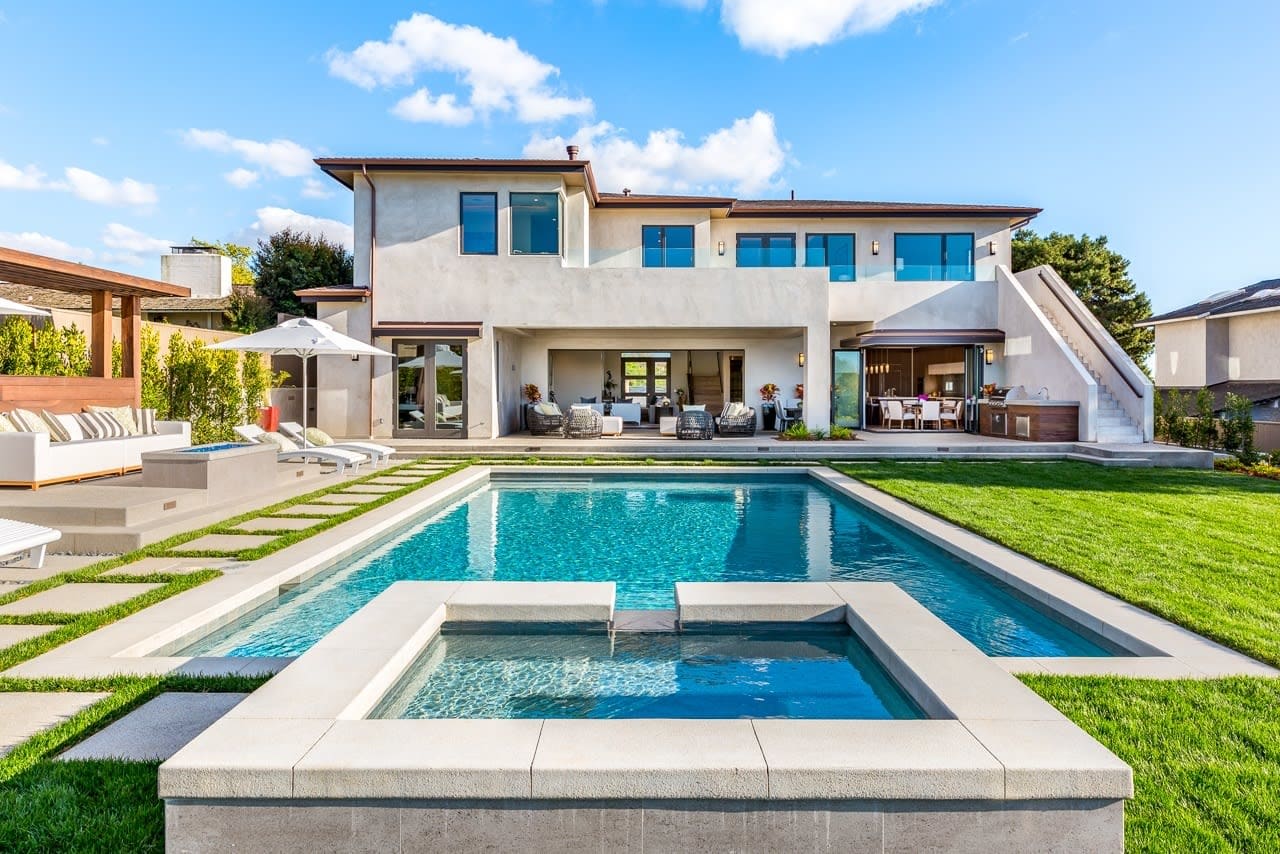
In La Jolla, a home with thoughtful massing, clean presentation, and strong connection to outdoor spaces often realizes more of its theoretical view premium. A heavy or awkward remodel may weaken that effect, even if the water view is similar. Buyers at the high end often notice how the architecture frames the lifestyle, not just the scenery.
For sellers, this is where presentation can matter. If your home’s layout, finishes, or staging help buyers feel the view from key living spaces, that can support stronger perceived value.
How to compare La Jolla ocean view homes
The best comp strategy in La Jolla is usually a narrow one. You want to compare homes in the same micro-pocket with similar elevation, street position, view category, lot orientation, and renovation level. Looking too broadly across La Jolla can blur important differences and lead to weak pricing conclusions.
A practical pricing lens is to break value into four parts:
- Land position
- View permanence
- Architecture and condition
- Walkability
When those four elements line up well, the premium tends to be stronger and easier to defend. When one or more are missing, the market may discount the home even if the listing photos look impressive.
What this means if you are selling
If you are preparing to sell a La Jolla ocean view home, it helps to move beyond the phrase “has ocean views.” Buyers in this market are usually more sophisticated than that. They want to understand the quality of the view, how the home captures it, and whether the setting supports long-term value.
That is why pricing, positioning, and presentation matter so much. A seller who understands the property’s specific strengths can market it more effectively and avoid blending into a crowded luxury field.
What this means if you are buying
If you are buying, the goal is to separate a true long-term value driver from a surface-level feature. A home with a stable, expansive view, strong location, good walkability, and well-matched design may deserve a premium. A home with only a partial or vulnerable view may not.
The smartest approach is usually to study the lot as carefully as the home itself. In La Jolla, what surrounds a property can be just as important as the finishes inside it.
If you are trying to understand what really drives value in a La Jolla ocean view home, local context makes all the difference. For a tailored strategy, whether you are buying, selling, or weighing your next move, connect with Rachael Kaiser.
FAQs
What drives value in La Jolla ocean view homes most?
- The biggest factors are view quality, view permanence, lot elevation and orientation, architecture and condition, and walkability to La Jolla amenities.
Why do two La Jolla homes with ocean views have different prices?
- Two homes can price very differently because one may have a wider or more protected view, better topography, stronger design, or a more walkable location within La Jolla.
Do unobstructed ocean views add more value in La Jolla?
- Yes. Research cited in the report shows that unobstructed and higher-quality ocean views typically command a stronger premium than partial or lower-quality views.
How important is topography for La Jolla home values?
- Topography is very important because La Jolla’s bluffs, hillsides, and canyons create major differences in sightlines, exposure, and the likelihood of future view obstruction.
Do bluff-top homes in La Jolla always command the highest prices?
- Not always. Bluff-top homes can offer dramatic vistas, but buyers also consider erosion concerns, site conditions, and coastal regulations when evaluating value.
How should you compare ocean view homes in La Jolla?
- The best approach is to compare homes in the same micro-location with similar elevation, view category, lot orientation, walkability, and renovation level.