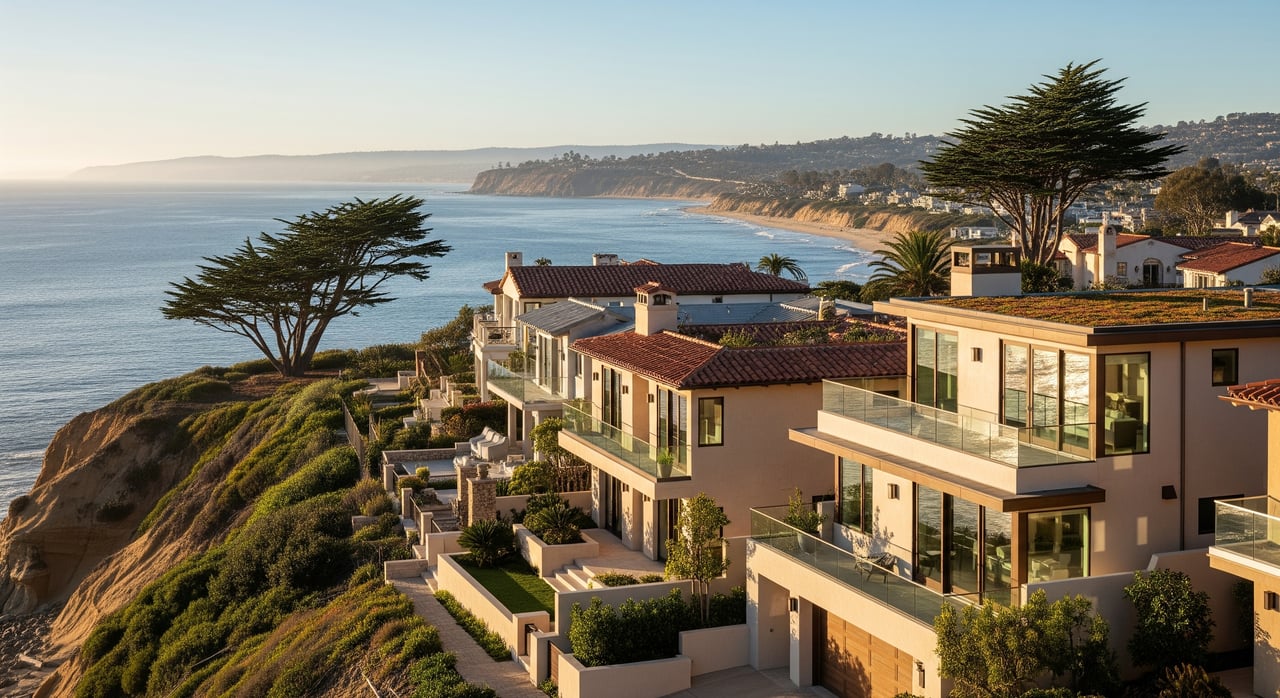
Thinking about a remodel, a teardown, or buying with future plans in Point Loma? One rule will shape your options more than any other: the 30‑foot coastal height limit. If you understand it early, you can protect views, set a realistic scope, and avoid costly surprises. In this guide, you’ll learn what the rule means, where it applies, and how to plan smart projects that pass review and hold value. Let’s dive in.
What the 30‑foot limit is
The 30‑foot coastal height limit caps building height at 30 feet above a defined grade within San Diego’s coastal zone. The goal is to protect coastal resources and public views, and to preserve neighborhood character. The City of San Diego applies its Local Coastal Program and Land Development Code to enforce the rule, and the California Coastal Commission can review appeals.
Where it applies in Point Loma
The limit applies in the coastal zone and related overlay areas, which include many parcels near the shoreline in Point Loma. That often includes Sunset Cliffs and parts of La Playa, along with other waterfront or bluff‑adjacent streets. Whether your lot is covered depends on specific coastal overlay and zoning map layers for your parcel.
If you are not sure about a property, confirm with the City’s Planning Department and review the Local Coastal Program maps. Community or historic guidelines may also apply in some subareas of Point Loma.
How height is measured
Height is measured relative to a reference grade, often called natural grade or average natural grade. The exact method is defined in the City’s code, and it can change how much you can build on a given lot. On sloped sites, the measurement approach has a big impact on design.
Sloped vs. flat lots
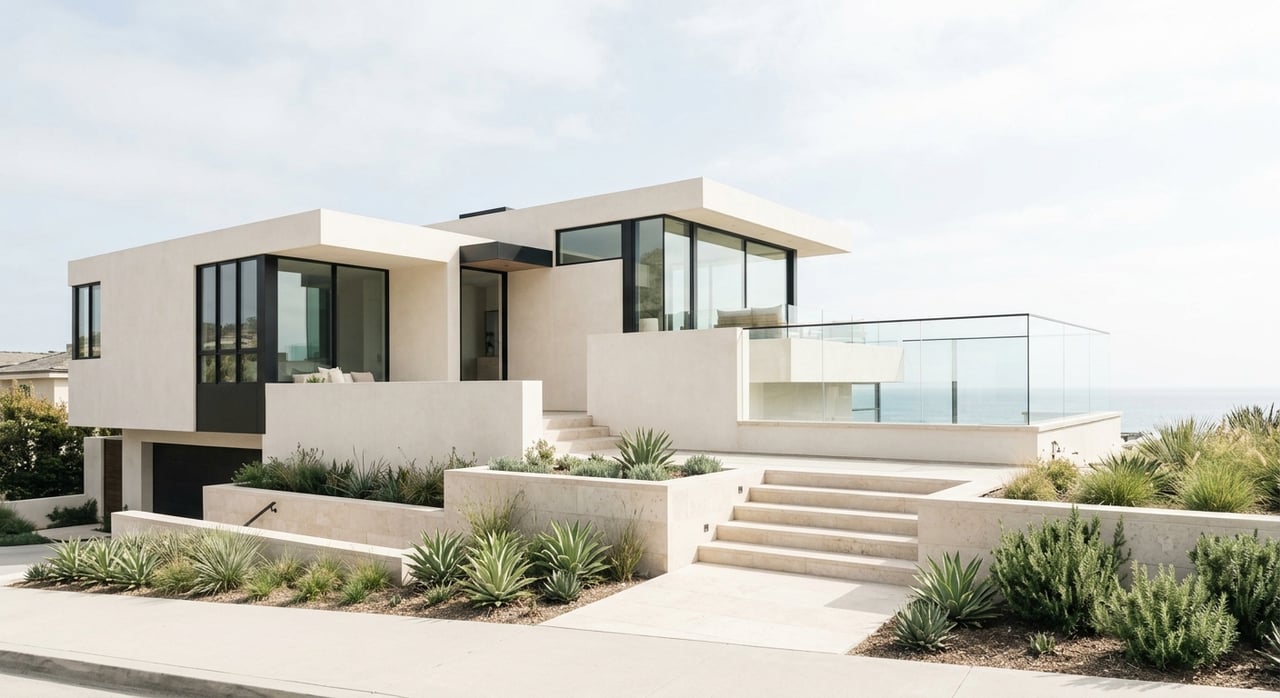
On a flatter La Playa lot, 30 feet often works out to two stories, sometimes three if you use lower floor‑to‑ceiling heights and a low roof profile. On steeper Sunset Cliffs lots, designers use split levels, stepped foundations, and careful massing to create more usable area while staying within the 30‑foot envelope. The visible number of stories from the low side can appear higher, yet still comply with the vertical limit from the controlling grade.
Rooftop elements
Rooftop decks, stair enclosures, elevator overruns, chimneys, antennas, and mechanical equipment are treated differently under the code. Some features may be exempt or allowed as limited projections. Others count toward the 30‑foot maximum or trigger discretionary review when they add visible mass.
Why a survey matters
A licensed surveyor or civil engineer typically establishes the controlling grade elevation. This is the baseline for your design and for permit review. Small differences in grade can change what is possible, so early verification helps you avoid redesigns.
Exceptions and special cases
There are narrow allowances for certain architectural projections, such as short parapet walls, vents, or chimneys. Equipment housings and elevator overruns may be permitted if they meet strict size and visibility limits or receive specific approvals. Public works and utility structures can follow separate rules.
If you have a nonconforming building that legally exceeds 30 feet, you can often maintain it. Large additions or full rebuilds that increase nonconformity usually require compliance with current standards or a variance. Variances above 30 feet are uncommon in the coastal zone due to public view protections and are difficult to secure.
Most exterior projects in the coastal overlay need a Coastal Development Permit. That review weighs visual impacts, consistency with Local Coastal Program policies, and neighborhood character.
What it means for buyers, sellers, and investors
For buyers
- The limit helps preserve sightlines across neighborhoods, which reduces the risk of a neighbor building a tall structure that blocks your view.
- If you want to remodel or rebuild, plan within a strict vertical envelope, especially near bluffs and public viewpoints.
- Budget time for surveys and permit review if you are counting on height‑sensitive features like rooftop decks.
For sellers
- View protection can support baseline property values. At the same time, the cap can limit redevelopment upside compared with inland areas.
- If you are marketing potential, provide accurate feasibility details rather than broad claims. Buyers value clarity about what is possible.
- Disclose any prior Coastal Development Permits, variances, or known nonconformities.
For investors and small developers
- Expect a horizontal strategy: optimize footprint, consider basements or attached accessory units where allowed, and rework interiors before chasing more height.
- Blufftop sites in Sunset Cliffs add geotechnical setbacks and stability issues, which can reduce buildable area.
- Rooftop living areas and pilot houses face stricter scrutiny because they increase visible mass.
Process, permits, and timelines
Most projects in the coastal zone will involve some combination of permits:
- Building Permit for code‑compliant construction
- Coastal Development Permit for development in the coastal zone
- Neighborhood Development Permit or other discretionary approvals when design review is required
- Variance, which is rare, for deviations from numerical limits
City review can take several months depending on scope, application completeness, and public comments. If an approval is appealed to the California Coastal Commission, the timeline can extend by many months and may require studies, redesigns, or conditions. Plan for added time if your project affects public views or changes the roofline.
Point Loma neighborhood factors
Sunset Cliffs
Steep bluffs, iconic ocean vistas, and coastal access areas heighten concern over visual impacts. Projects face geotechnical investigations, bluff setbacks, and careful massing to avoid horizon intrusions.
La Playa and the bayside
Flatter topography and marina views focus review on skyline continuity and harbor sightlines instead of cliff silhouettes. Height impacts are often about roof profiles, parapet heights, and how the structure reads from public vantage points.
Community and historic context
Parts of Point Loma have community or historic guidelines that shape design beyond the 30‑foot rule. These policies can influence materials, roof forms, and facade articulation, which affect how massing is perceived.
Practical scenarios
- Small second‑story addition on a flat La Playa lot: Staying within 30 feet is usually feasible if you meet setbacks, parking, and Local Coastal Program policies. A Coastal Development Permit is often required for exterior changes that are visible from the coast.
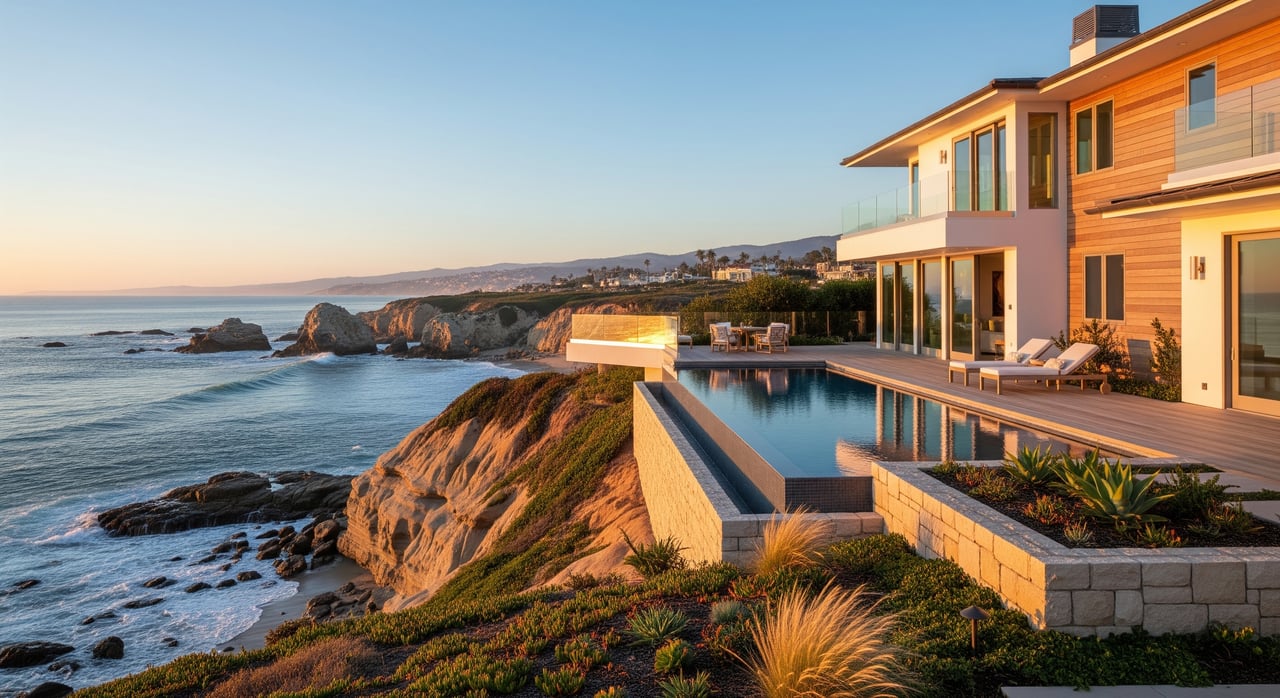
- Teardown and rebuild on a Sunset Cliffs bluff lot: Designers tend to create lower, horizontally distributed layouts or step the home down the slope. The goal is to respect the cap, manage geotechnical setbacks, and reduce visual impacts.
- Rooftop deck or pilot house for panoramic views: Expect discretionary review. Approvals may require recessing the deck, limiting guardrail heights, screening equipment, or reducing the size of stair enclosures.
- Replacing a tall, nonconforming house: A full demolition and rebuild is generally treated as new development that must meet current standards. Rebuild allowances can apply only if you do not increase the nonconformity.
Due‑diligence checklist
Use this checklist before you buy, list, or start design work:
- Confirm whether the parcel sits in a coastal overlay using the City’s maps or planning staff.
- Pull current zoning, Local Coastal Program designations, and the applicable Community Plan for the property.
- Commission a topographic survey and verify the controlling natural grade with a licensed surveyor or civil engineer.
- Check for recorded view easements, deed restrictions, or historic designations that affect height or massing.
- Review any existing Coastal Development Permits, variances, or nonconforming determinations tied to the parcel.
- Consult a coastal‑experienced architect or land‑use attorney to test your concept, especially for vertical additions or rooftop features.
- For bluff lots, engage a coastal geotechnical engineer early to understand stability and setbacks.
Planning a project that passes review
Set a clear design brief that aligns with the 30‑foot envelope before you sketch. On sloped sites, use split levels, step foundations, and thoughtful roof forms to maintain low profiles from public viewpoints. Keep rooftop uses modest, recess them where possible, and limit visible guardrail heights.
Work with professionals who know coastal permitting. Early feedback can help you choose between a compact two‑story massing and a wider single‑story footprint, or decide if an attached accessory unit makes more sense than a third level.
Value, views, and resale
The height limit generally supports neighborhood views, which helps underpin property values across Point Loma. For long‑term owners, this can reduce uncertainty about a tall infill next door. For value‑add strategies, focus on floor plan quality, natural light, outdoor rooms, and premium finishes within the height cap.
If you plan to sell, strategic improvements that respect the 30‑foot envelope can still deliver strong returns. Presentation, staging, and targeted marketing can highlight view corridors and outdoor living without relying on additional height.
Local guidance when it counts
Navigating the 30‑foot rule is as much about process as design. From verifying natural grade to planning a Coastal Development Permit, you save time and money by addressing constraints early. If you are weighing a purchase or sketching a remodel in Sunset Cliffs or La Playa, a clear path to approvals is just as important as the floor plan.
If you want tailored insight for your property or plans, let’s talk. The Kaiser Team specializes in coastal San Diego and coordinates the right experts to guide you through design, permitting, and positioning. Connect with Rachael Kaiser for a consultation.
FAQs
Can you add a third story in Point Loma’s coastal zone?
- Possibly, but only if the total height stays within 30 feet above the controlling grade, which often makes a third story challenging without split‑level design.
Do rooftop decks count toward the 30‑foot limit?
- Rooftop living areas often trigger closer review, and some rooftop structures can count toward height unless they qualify as limited projections with mitigation.
Are any buildings allowed to exceed 30 feet?
- Very few; minor architectural projections may be allowed, and public or utility projects can have separate rules, while variances above 30 feet are rare.
What if my existing home is already taller than 30 feet?
- If it was legal when built, it may remain as a nonconforming structure, but major expansions or a full rebuild usually must meet current standards.
How long does a Coastal Development Permit take?
- City reviews often take several months, and an appeal to the California Coastal Commission can add many more months and require design changes or studies.