Thinking about buying in La Jolla and planning a remodel with ocean breezes and sunsets in mind? The Coastal Overlay Zone shapes what you can build, how you design it, and how long approvals may take. If you understand the rules early, you can set realistic expectations, protect your budget, and avoid surprises after closing. In this guide, you’ll learn what the Coastal Overlay Zone is, where it applies, which projects trigger review, the permit path and timelines, and practical steps to keep your purchase and remodel on track. Let’s dive in.
What is the Coastal Overlay Zone?
The Coastal Overlay Zone is the City of San Diego’s local program that implements the California Coastal Act through the City’s certified Local Coastal Program. The City administers permits under this program, while the California Coastal Commission provides state-level authority and hears certain appeals. You can explore the City’s coastal planning framework through the City of San Diego Planning Department and Development Services, and learn about state oversight from the California Coastal Commission.
The COZ governs land use, development, and public access within the City’s Coastal Zone. Its purpose is to protect public access to the shoreline, preserve public coastal views, manage geologic and bluff hazards, and conserve coastal resources. These policies are applied through local rules and permits so that new development aligns with coastal priorities.
Where it applies in La Jolla
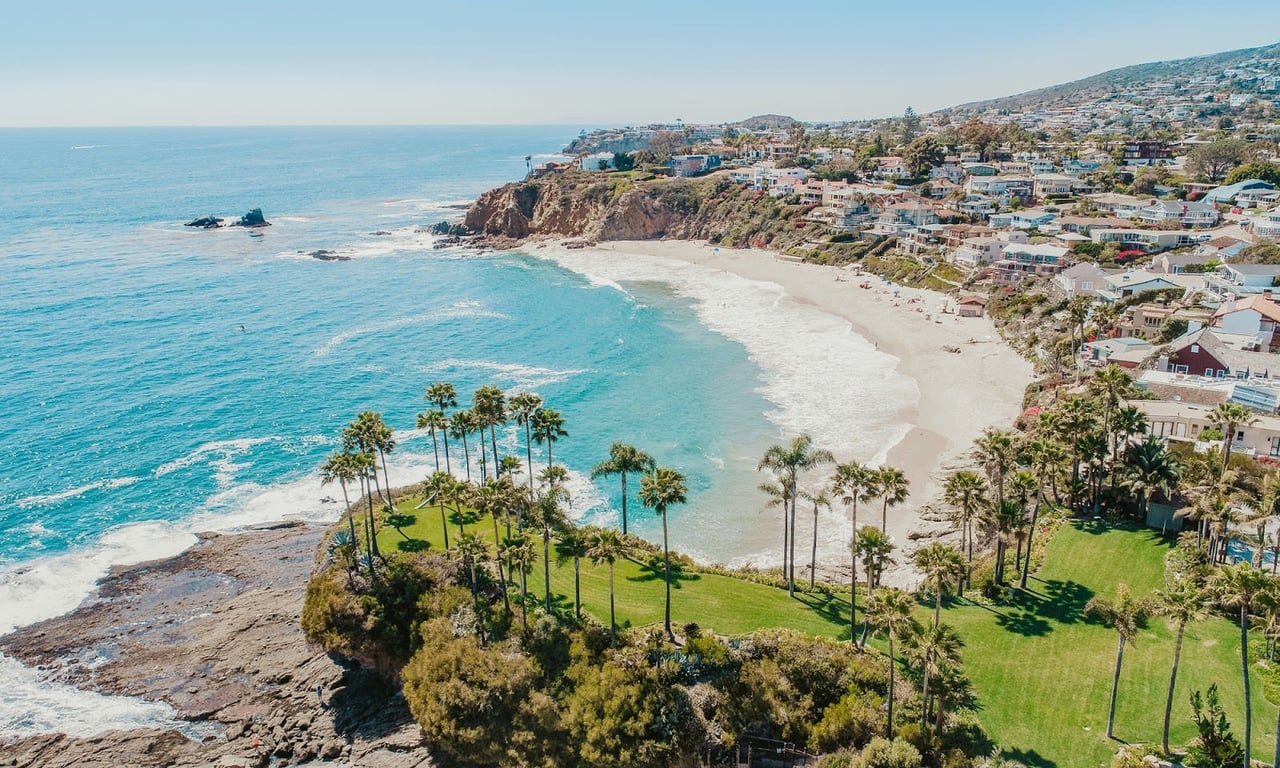
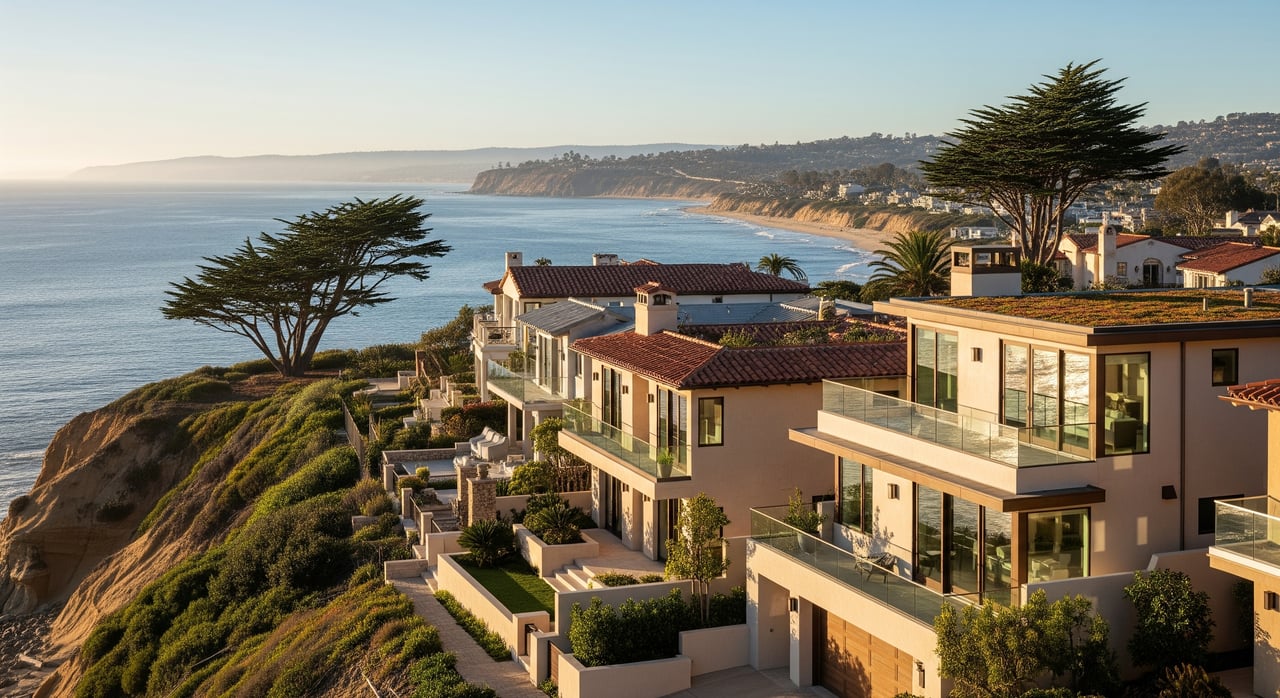
The COZ applies to properties inside the City’s mapped Coastal Zone boundary. In La Jolla, this generally includes beachfront and bluff-top properties, La Jolla Shores, and other shoreline neighborhoods, along with additional mapped areas nearby. Exact boundaries are set by the City’s certified Local Coastal Program maps.
If a property interests you, verify whether it falls inside the Coastal Overlay Zone before you make plans. Use the City’s planning resources or speak with City planning staff through the Planning Department or Development Services to confirm parcel status and ask what rules apply.
Two points matter for buyers:
- The Coastal Act and the City’s program focus on public access and public views of the ocean and shoreline.
- Private view rights are generally not protected under these laws. Private view concerns can arise in neighborhood forums or under private covenants, but they are not guaranteed by coastal regulations.
How COZ rules affect remodels and design
Coastal review often comes into play when you change size, height, or site work near the shoreline. Common projects that trigger coastal review include:
- Adding square footage, increasing building footprint, or raising overall height
- New second stories, rooftop additions, or rooftop decks
- New patios, decks, and balconies that could affect public views
- New or altered retaining walls, significant grading, and any work on coastal bluffs
- Seawalls, revetments, or other shoreline protective devices
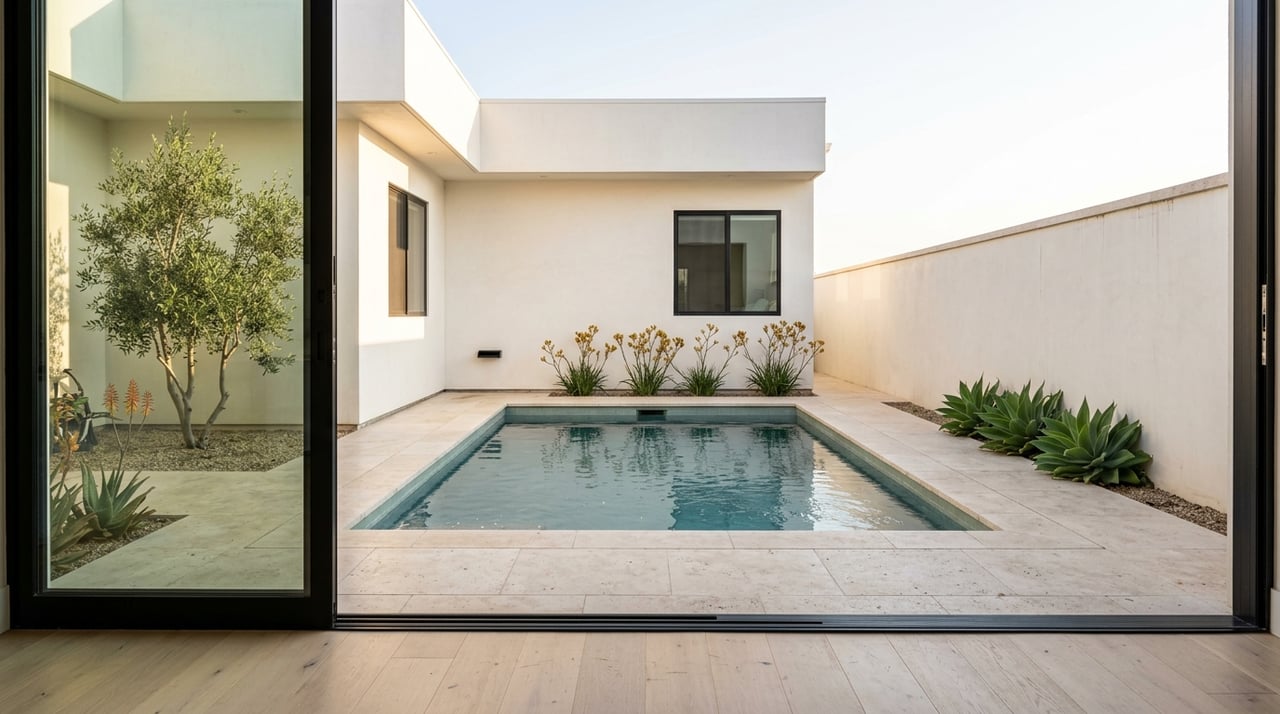
- Pools and major site work in bluff or shoreline areas
- Demolition and rebuilds, especially when location, size, or height changes
Design constraints you should expect:
- Height limits. Coastal areas often have strict height limits. Step-backs, terracing, and lower roof profiles may be required to reduce visual bulk and protect public views.
- Setbacks and bluff protections. Development near bluffs is limited to protect stability and public safety. Geotechnical studies and bluff-top setbacks are common.
- Visual bulk and articulation. Massing, materials, and landscaping are reviewed to reduce visual impacts from public vantage points such as streets, parks, and beaches.
- Minimized grading. Plans generally must reduce grading and disturbance near sensitive areas.
- Shoreline protective devices. New seawalls and similar structures are tightly regulated and discouraged unless necessary and no feasible alternative exists.
What about small jobs? Some routine repairs and interior remodels that do not change the footprint may be exempt from a Coastal Development Permit or qualify for a streamlined local exemption. Whether a project is exempt depends on your property and scope, so confirm with City staff through Development Services or review the state framework for permits with the California Coastal Commission.
Permits and the review pathway
Several approvals can apply to coastal homes, depending on your plans:
- Building Permit from the City’s Development Services for most construction once discretionary approvals are complete
- Coastal Development Permit (CDP) for development in the Coastal Zone unless the project is exempt
- Other possible discretionary permits such as Site Development Permits, Planned Development Permits, or Variances, depending on design and zoning
Here is how the process typically unfolds:
- Pre-application. Many owners or their consultants request a meeting with City planning to clarify submittal requirements such as geotechnical reports, coastal hazard analysis, and view studies.
- Application submittal. You submit plans, required technical studies, and fees.
- Public noticing and community review. The City notifies neighbors, and the La Jolla Community Planning Association often reviews discretionary projects and provides comments. You can learn about their role on the LJCPA site.
- Staff review and decision. City staff evaluates consistency with the Local Coastal Program and development standards. Some projects require a public hearing.
- Appeal window. After local approval, certain projects can be appealed to the California Coastal Commission, which may schedule a hearing within its jurisdiction. Learn more via the California Coastal Commission.
- Building permits and construction. After all discretionary actions and any appeals are resolved, building permits are issued and construction can begin subject to conditions.
How long it can take
Timelines vary based on project scope, completeness, technical studies, community feedback, and appeals. General estimates help set expectations:
- Minor maintenance and ministerial permits with no discretionary coastal review can take a few weeks to a few months.
- Projects requiring a local CDP and other discretionary approvals often run several months, commonly 3 to 9 months from submittal to a local decision for moderately complex plans.
- Larger or complex projects, or those needing significant geotechnical or coastal hazard work, often take 9 to 18 months or more.
- If a project is appealed to the California Coastal Commission or needs Commission review, expect additional months to a year or more.
Plan accordingly if you are timing a remodel with a move-in date or lease expiration. Building in buffer time reduces stress and protects your budget.
Buyer implications and smart strategies
A clear plan will help you compete for the right home and execute a remodel confidently.
- Verify COZ status early. Before you write an offer, confirm whether the parcel is inside the Coastal Overlay Zone and ask the seller for any prior CDPs, recorded conditions, and building permits. The City’s Planning Department and Development Services can direct you to parcel verification tools.
- Test remodel feasibility. If you envision a second story or rooftop deck, connect with a coastal planner, architect, or permitting expediter familiar with La Jolla. They can flag likely height, setback, bluff, and visual constraints and outline a realistic path.
- Budget for time and soft costs. Discretionary coastal permits often add months and require consultants such as geotechnical engineers and coastal hazard specialists. Conditions of approval can influence construction methods and cost.
- Consider views and value. Public views are prioritized. Private views are not guaranteed under coastal law, so plan designs that work within that framework. Limits on expansion potential can affect future value and buyer pool.
- Prepare for lender and insurer questions. Lenders and insurers may ask about coastal hazards, bluff stability, and permit compliance, especially for bluff-top properties.
- Use contingencies wisely. If your vision depends on a major addition, include a contingency tied to obtaining necessary coastal approvals within a time frame that fits your goals.
Sellers: what to consider before listing
If you are selling a La Jolla home in the Coastal Overlay Zone, a little preparation goes a long way.
- Gather records. Compile any Coastal Development Permits, geotechnical reports, recorded conditions, and building-permit history so buyers can evaluate feasibility quickly.
- Be strategic with pre-list improvements. If timing is tight, prioritize cosmetic updates that do not trigger discretionary coastal review.
- Set expectations. Disclose known coastal constraints and permit conditions. Transparency builds trust and helps avoid delays in escrow.
Next steps and trusted resources
Start with authoritative resources, then layer in local expertise:
- City of San Diego Planning Department. Learn about the Local Coastal Program, mapped boundaries, and community plans. Visit the Planning Department.
- City of San Diego Development Services. Discuss permits, submittals, and exemptions with staff, and confirm parcel-specific requirements. Visit Development Services.
- California Coastal Commission. Review the Coastal Act framework, Coastal Development Permit process, and appeals. Visit the California Coastal Commission.
- La Jolla Community Planning Association. Understand community review practices and meeting context. Visit the LJCPA site.
When you are ready to move forward, connect with a local coastal planner, architect, and geotechnical engineer who know La Jolla’s shoreline and neighborhood context. Their early input can save months.
Ready to find the right La Jolla home and navigate coastal rules with confidence? Reach out to Rachael Kaiser for local guidance, curated property access, and a plan that aligns with your timeline and goals.
FAQs
What is the Coastal Overlay Zone in San Diego?
- It is the City’s local program that implements the California Coastal Act through the certified Local Coastal Program and governs development, public access, and coastal resource protection in mapped coastal areas.
Does the Coastal Overlay Zone cover all of La Jolla?
- No. It applies to properties within the City’s mapped Coastal Zone boundary, which includes beachfront, bluff-top, and other mapped areas; verify parcel status with the City.
Do I need a Coastal Development Permit for a home remodel?
- You often do if you change size, height, or site work near the shoreline; some interior or routine repairs may be exempt, so confirm with City Development Services.
Are private ocean views protected by coastal law?
- Generally no. The Coastal Act and local program protect public views and public access; private view rights are not guaranteed under these regulations.
How long do coastal permits take in La Jolla?
- Minor, non-discretionary work can take weeks to a few months; discretionary CDP projects commonly take 3 to 9 months, and complex or appealed projects can run 9 to 18 months or more.
Who reviews La Jolla projects besides City staff?
- The La Jolla Community Planning Association often provides advisory comments, and certain approvals can be appealed to the California Coastal Commission.