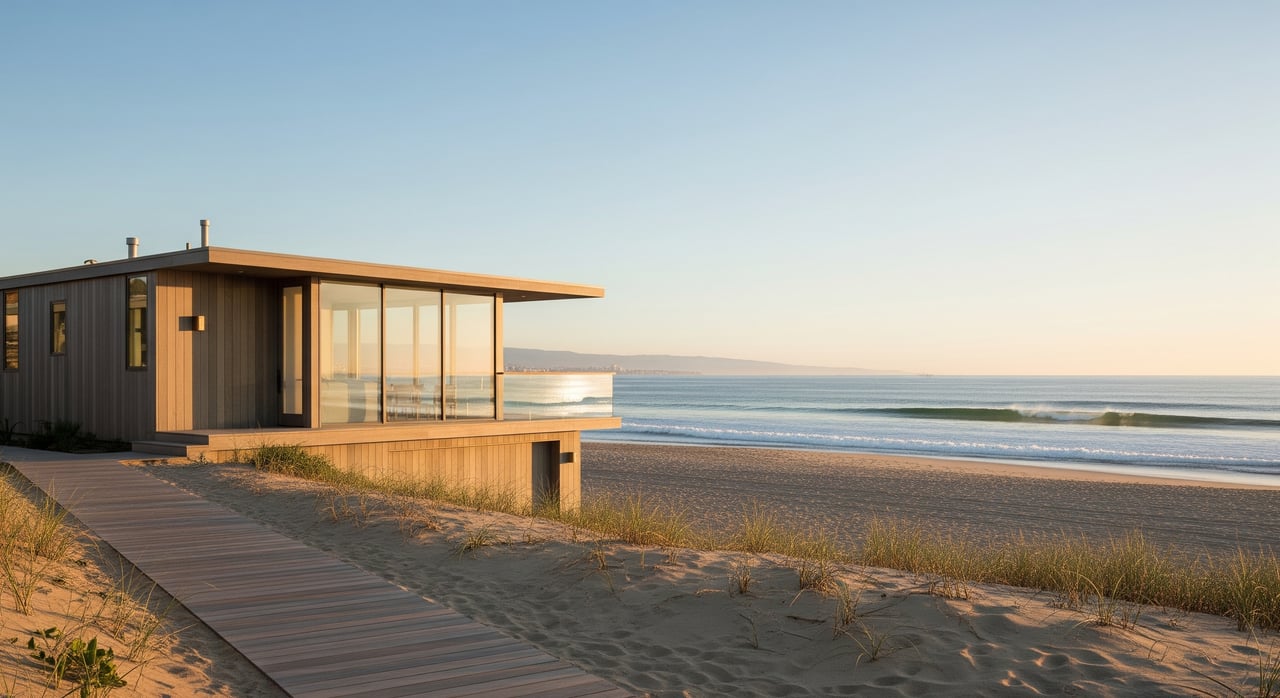
Trying to choose between Mission Beach and Pacific Beach? You are not alone. Both offer sun, surf, and a boardwalk lifestyle, yet they feel very different day to day. In this guide, you will learn how the neighborhoods compare on layout, lifestyle, housing, parking, investment potential, and coastal risk so you can match the right beach to your goals. Let’s dive in.
Quick snapshot of each neighborhood
Mission Beach at a glance
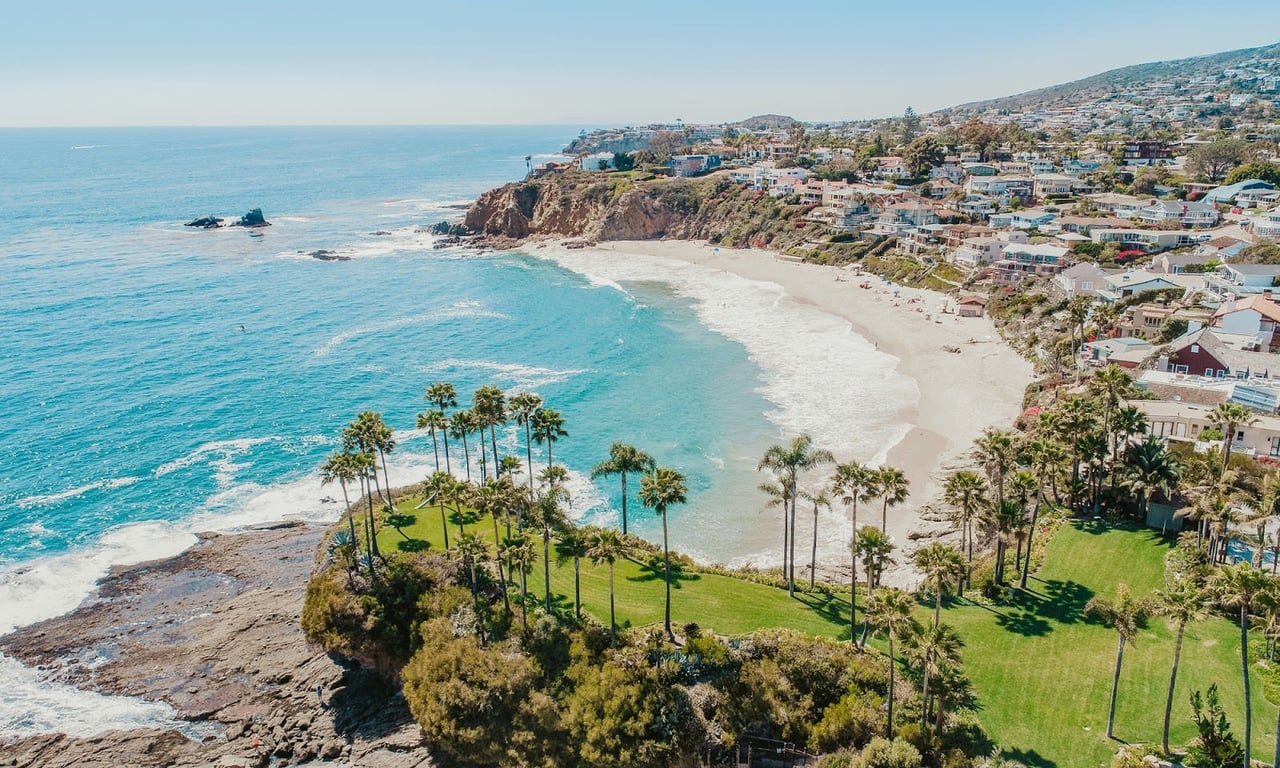
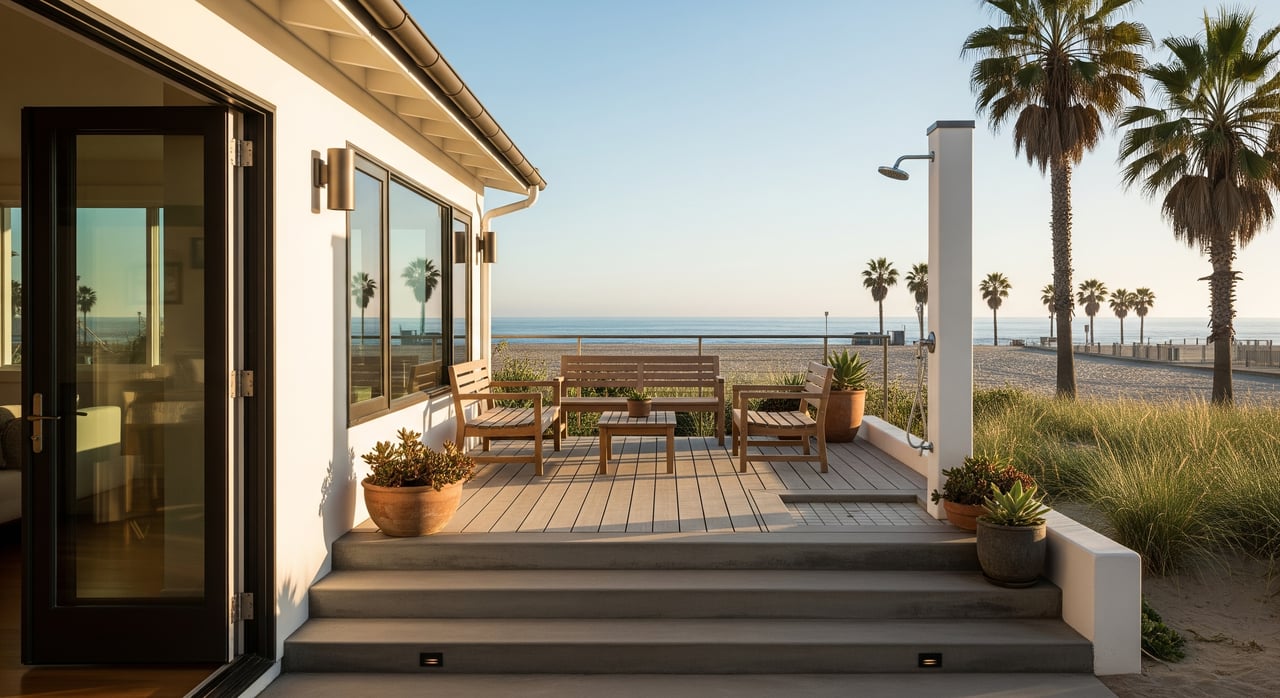
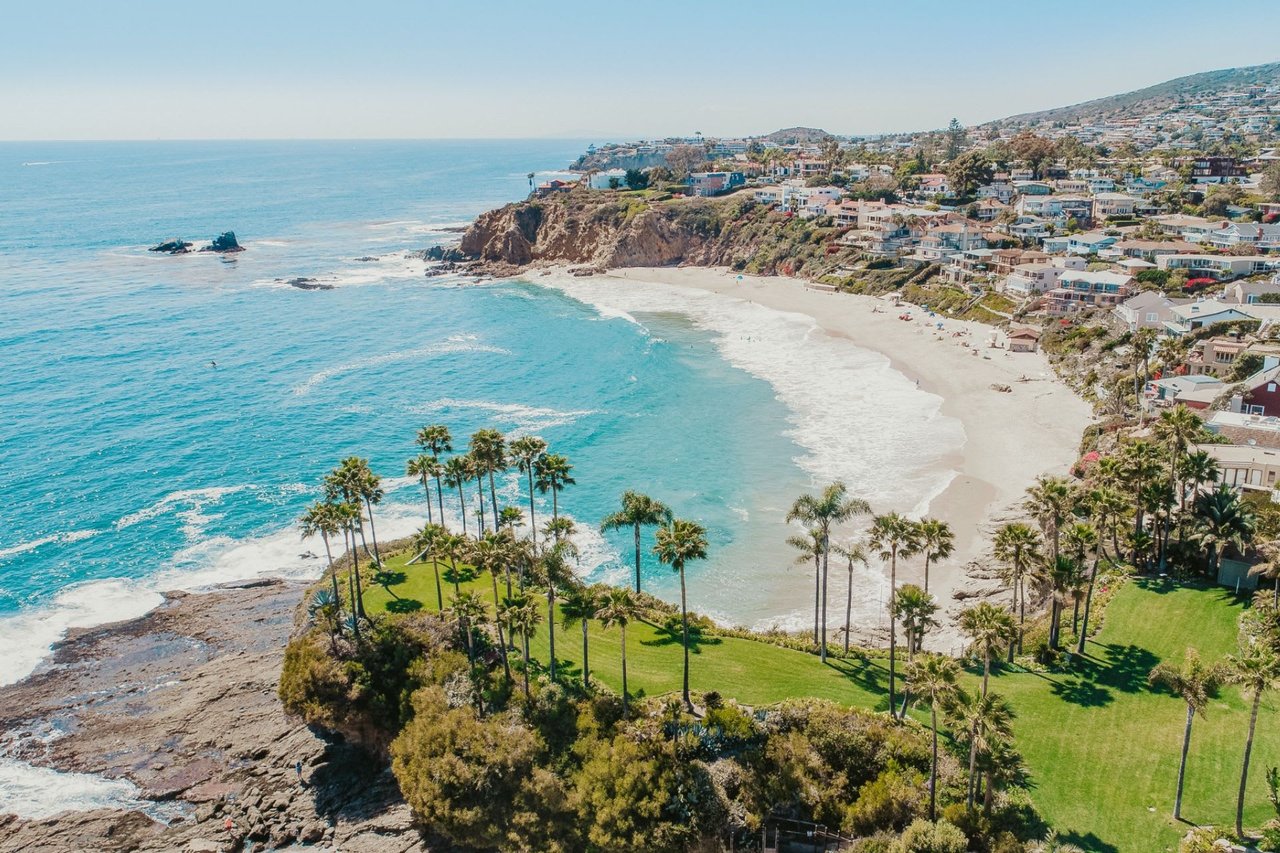
Mission Beach is a narrow sand spit between the Pacific Ocean and Mission Bay. Many homes sit directly on the oceanfront boardwalk or along the bay, which creates a true beach-first lifestyle. Belmont Park anchors the energy with classic amusements, and the boardwalk draws a steady stream of visitors. Because the land is narrow, access streets and parking are limited.
Pacific Beach at a glance
Pacific Beach extends inland with more blocks, more streets, and more everyday services. Garnet and Grand avenues form the commercial core with shops, dining, and services, and Crystal Pier adds a classic coastal touch. You will find lively pockets near the beach and quieter residential streets as you move inland. Deeper lots and more through-streets make PB easier to navigate by car.
Lifestyle and energy
Boardwalk vibe and crowds
Mission Beach feels more resort-like with a high share of vacationers, especially in summer and on weekends. The boardwalk and oceanfront bars are a constant draw. Pacific Beach also has a popular boardwalk, but inland blocks introduce a more residential feel. You will notice more variety as you move away from the sand.
Daily conveniences
Mission Beach has limited room for full-size supermarkets on the sandbar, so residents often shop in neighboring areas. Pacific Beach offers more groceries, pharmacies, and neighborhood services along its main avenues. Both areas are well covered by cafes and casual dining near the beach. Plan on short drives for hospitals and larger medical campuses in nearby communities.
Night and weekend rhythm
Mission Beach runs on a visitor-centric rhythm with peak activity in the summer season. Evenings can stay lively near Belmont Park and the oceanfront. Pacific Beach has concentrated nightlife along Garnet Avenue, while inland blocks tend to be quieter. You can pick your pocket of energy based on the street and distance from the main corridors.
Housing and pricing patterns
Mission Beach housing types
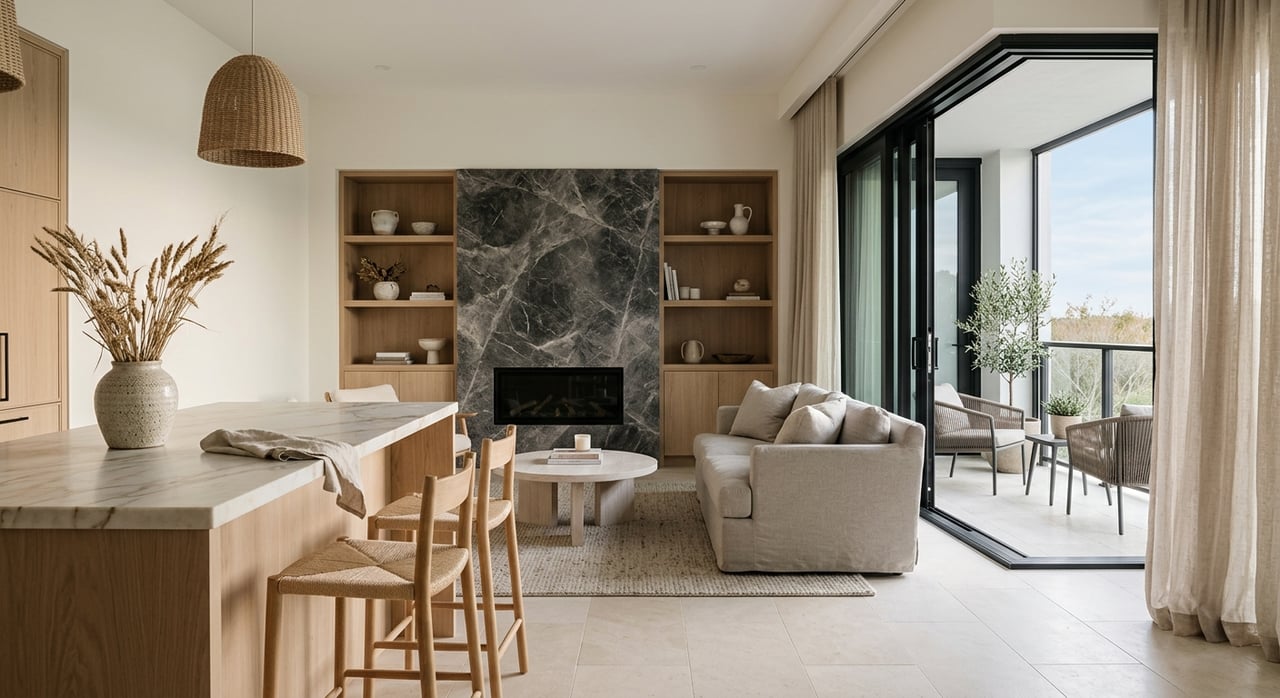
Mission Beach is built on small lots with a mix of older beach cottages, low-rise multi-family buildings, and many oceanfront or bayfront condos. The narrow layout limits redevelopment scale and keeps inventory tight. Waterfront and walk-street locations often command premium prices per square foot.
Pacific Beach housing mix
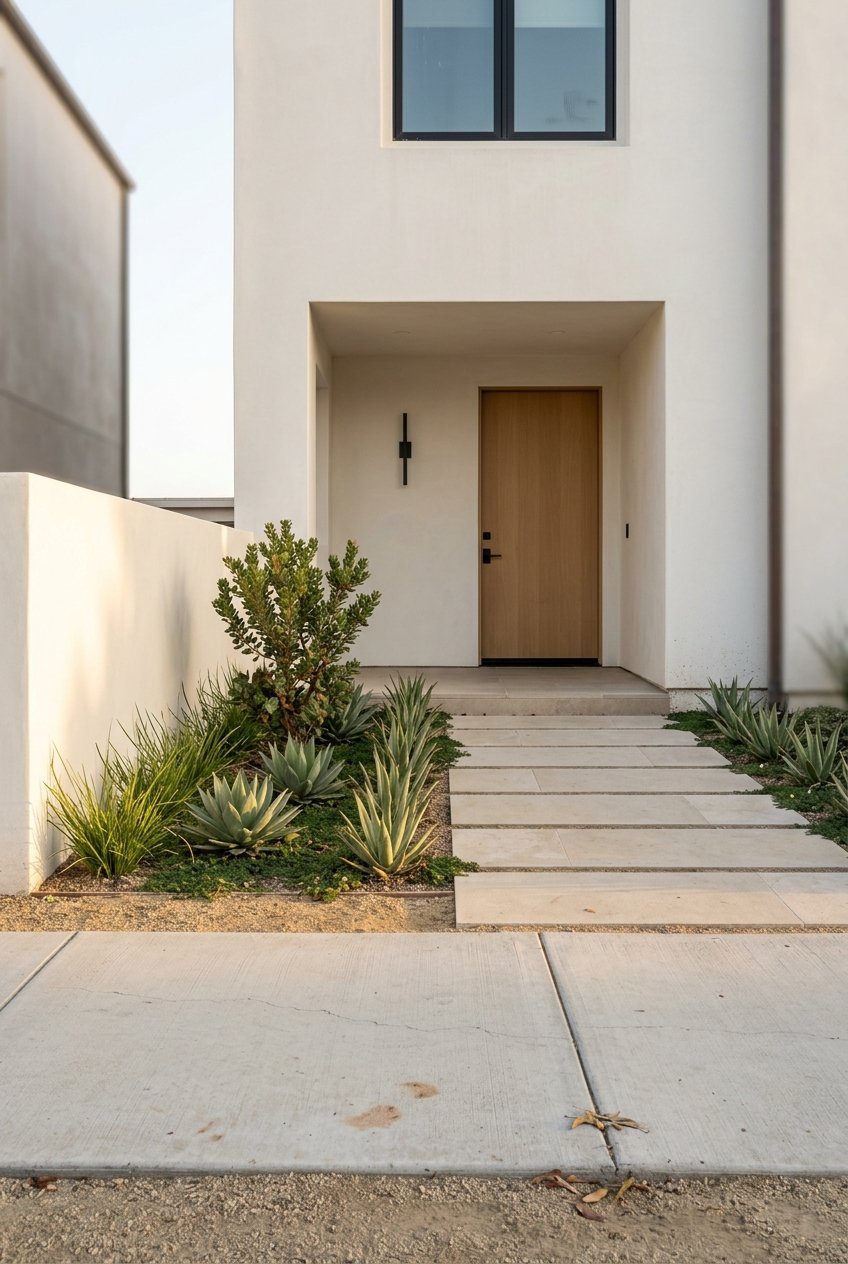
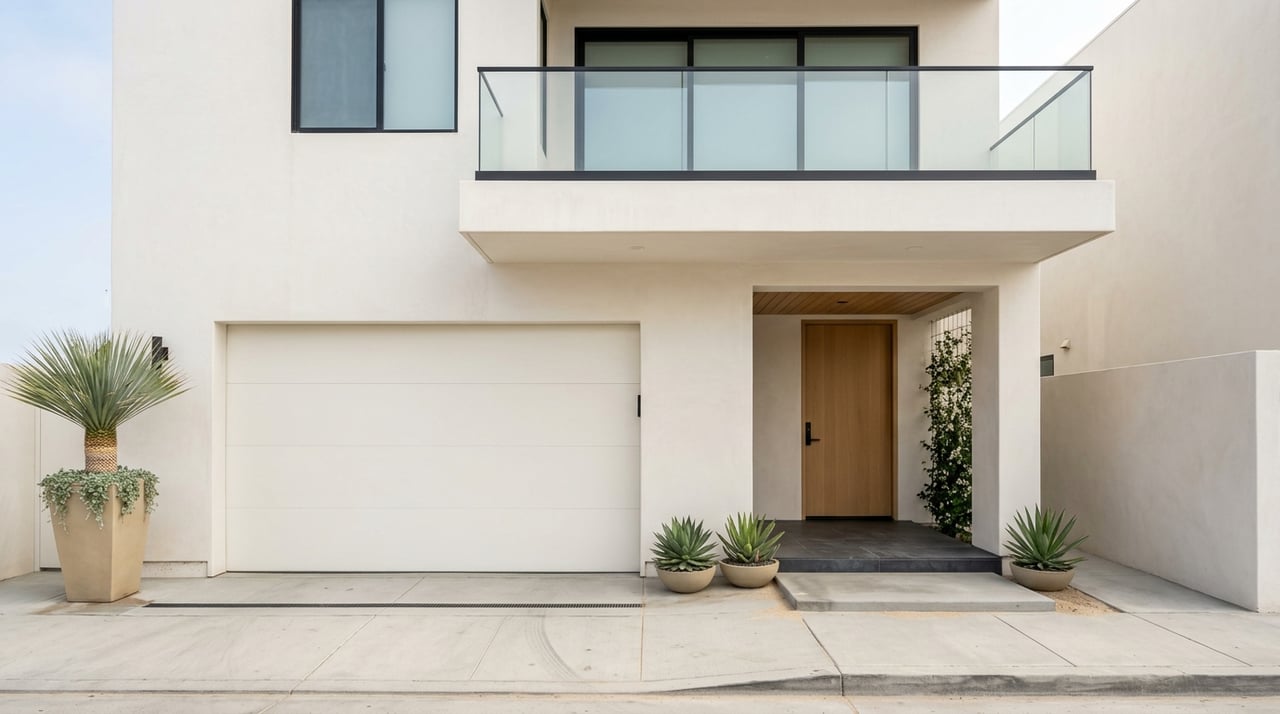
Pacific Beach offers a broader range of homes. You will find single-family houses, townhomes and condos, multi-family buildings, and mixed-use along the main avenues. Deeper inland lots support more traditional residential blocks and add flexibility for remodels or redevelopment on select parcels.
Price dynamics in both
Beachfront and bayfront homes in both neighborhoods are the most expensive relative to inland properties. Mission Beach often posts higher per-square-foot prices for sand-front units due to scarce frontage and limited supply. Pacific Beach generally offers more price points and product variety inland. For specifics, it is best to review live comps and current inventory at the time you are shopping.
Zoning and permits
Both neighborhoods fall within the City of San Diego’s coastal planning area. Projects may require Coastal Development Permits, and coastal rules can influence timelines and design. Mission Beach’s geography leaves fewer large-scale redevelopment options, while parts of Pacific Beach, especially along commercial corridors and inland lots, may offer more potential on a case-by-case basis.
Transportation and parking
Walk, bike, and transit
Both neighborhoods are very walkable near the beach and commercial corridors. The boardwalk and local bike lanes support easy biking, and many residents use bike and scooter shares. Bus routes serve the area, while trolley access requires a transfer or drive.
Driving and commute patterns
Seasonal traffic is part of coastal living. Expect heavier congestion on summer weekends and during peak visitor hours. Commute times to downtown or major job centers vary with traffic and time of day. Planning your route and schedule will make a noticeable difference.
Parking realities
Mission Beach has a tight parking supply and frequent competition for spaces. You will see a mix of municipal lots, metered streets, and private parking. Pacific Beach typically offers more street parking on residential blocks and additional municipal lots near commercial areas, although busy nights and weekends still strain supply. For buyers, dedicated parking or permit zones can be a meaningful quality-of-life factor.
Short-term rentals and investment
STR rules in brief
Short-term rentals are common in both neighborhoods, especially near the beach. The City of San Diego requires registration, transient occupancy tax collection, and compliance with local rules. Policies and enforcement can evolve, so you should verify current regulations before pursuing an STR strategy.
Investor tradeoffs
Mission Beach benefits from strong seasonal demand and high nightly rates for well-located beachfront or bayfront homes. Inventory is constrained, and community tolerance, parking, and coastal permitting can shape performance. Pacific Beach supports both seasonal and year-round demand, with more product types and neighborhood services that can appeal to longer stays.
Coastal risks and insurance
Flood exposure
Mission Beach is low-lying with exposure to both ocean and bay. Storm surge and long-term sea-level rise are relevant for waterfront properties. Pacific Beach has similar risks along the oceanfront, while inland blocks are typically less exposed. Buyers should review FEMA flood maps, local resilience plans, and elevation details for any specific address.
Insurance considerations
Beachfront and bayfront homes are more likely to require flood insurance or higher-cost coverage related to coastal hazards. Premiums vary by property attributes such as elevation, construction, and proximity to the water. Confirm with your insurer early in the process to understand total cost of ownership.
Which neighborhood fits your goals?
Choose Mission Beach if you want
- A pure beachfront or bayfront setting with homes steps from the sand.
- A lively, visitor-forward vibe near Belmont Park and the boardwalk.
- Compact lots and a lock-and-leave condo or cottage lifestyle.
- Premium positioning for short-term or seasonal rental appeal, subject to local rules.
Choose Pacific Beach if you want
- A wider range of home types and prices, including inland single-family options.
- Easier access to groceries, services, and everyday conveniences.
- A mix of energy near Garnet Avenue with quieter residential streets nearby.
- More flexibility for larger remodels or select redevelopment opportunities.
How to tour like a local buyer
Visit at different times and seasons so you can experience the neighborhood rhythm in real life.
When to visit
- Weekday morning and evening to gauge commute, parking, and noise.
- Weekend day and night, especially in summer, to see peak activity.
- Off-season to understand the difference once visitor traffic slows.
What to check on-site
- Parking: on-street availability, permits, meters, and any dedicated spaces or garages.
- Noise and foot traffic: proximity to bars, the boardwalk, or event venues.
- Flood clues: elevation, sandbags, drainage, and signs of past water intrusion.
- Walkability: distance to groceries, pharmacies, clinics, and bus stops.
- Building condition: exterior maintenance, shared entries, roof and systems.
What to request from the seller
- Recent disclosures, HOA documents and budgets if applicable, and inspection reports.
- Utility history, permit history for past renovations, and any storm or flood damage details.
- For STR potential, proof of registration and prior tax collection if income is claimed.
Next steps
If you are weighing Mission Beach against Pacific Beach, a tailored plan will speed up your search and help you act with confidence. Our boutique team pairs neighborhood-level expertise with premium marketing and financing tools to support both buyers and sellers. From curated tours to pre-listing coordination and Compass solutions like Concierge, Bridge Loan, and Private Exclusives, you get a white-glove experience start to finish.
Ready to explore the right streets, buildings, and opportunities for your goals? Reach out to Rachael Kaiser to schedule a consultation.
FAQs
What are the main differences between Mission Beach and Pacific Beach?
- Mission Beach is a narrow sandbar with a resort-like feel and limited parking, while Pacific Beach is larger with more housing types, more services, and varied energy from the beach inland.
Is parking easier in Mission Beach or Pacific Beach?
- Parking is usually tighter in Mission Beach due to limited streets and high visitor volume, while Pacific Beach often has more residential street parking, though it still fills during busy periods.
Are short-term rentals allowed in both neighborhoods?
- Yes, short-term rentals exist in both, but the City of San Diego requires registration, tax collection, and compliance with local rules, so confirm current regulations before you invest.
How risky is flooding for beachfront and bayfront homes?
- Mission Beach is especially low-lying with ocean and bay exposure, and oceanfront parts of Pacific Beach face similar risks, so review FEMA maps, insurance needs, and elevation for each property.
Where are the closest hospitals and clinics?
- There are no major hospital campuses within Mission Beach or Pacific Beach; residents typically use nearby clinics locally and drive to hospitals in adjacent communities.
How do prices compare between oceanfront and inland homes?
- Beachfront and bayfront homes in both neighborhoods command the highest prices, while inland properties in Pacific Beach generally offer more variety and wider price ranges.