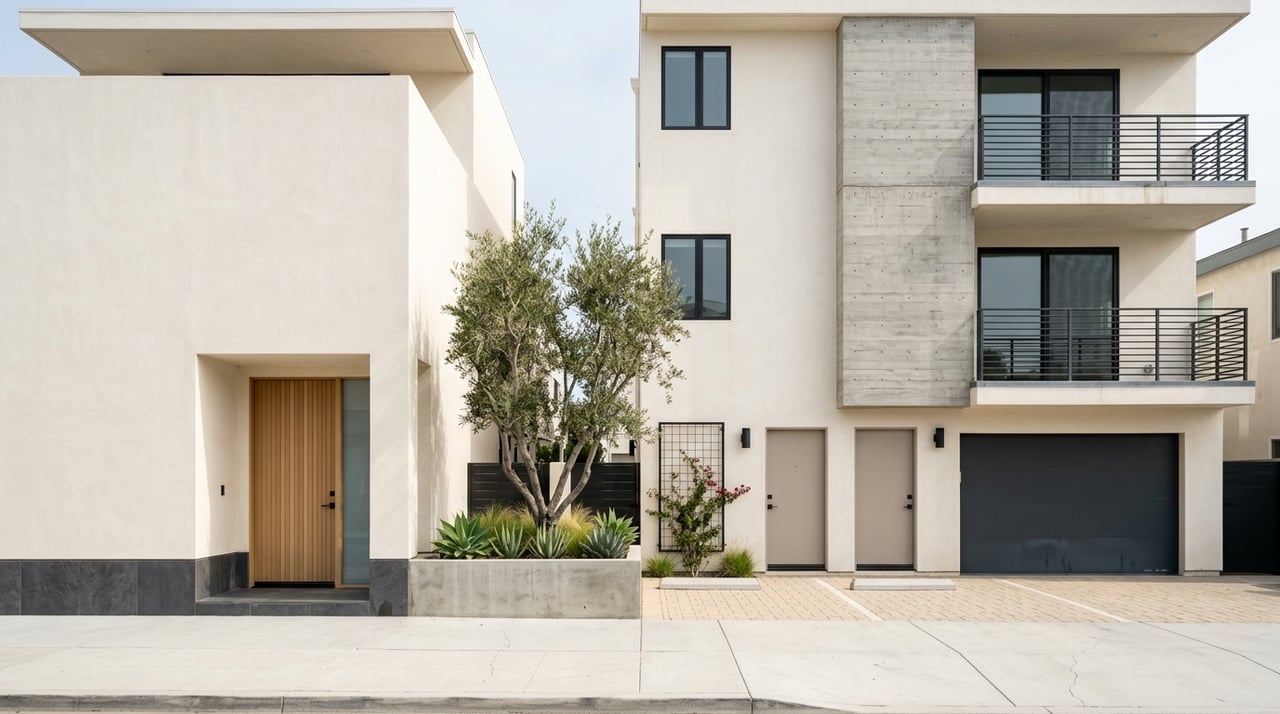
If you are deciding between a condo and a house in Pacific Beach or Mission Beach, the choice can shape everything from your monthly budget to your parking situation to how much control you have over the property. These two coastal neighborhoods share the same zip code, but they offer very different ownership experiences. This guide will help you compare price, upkeep, parking, and rental rules so you can make a smarter move with confidence. Let’s dive in.
Pacific Beach and Mission Beach at a glance
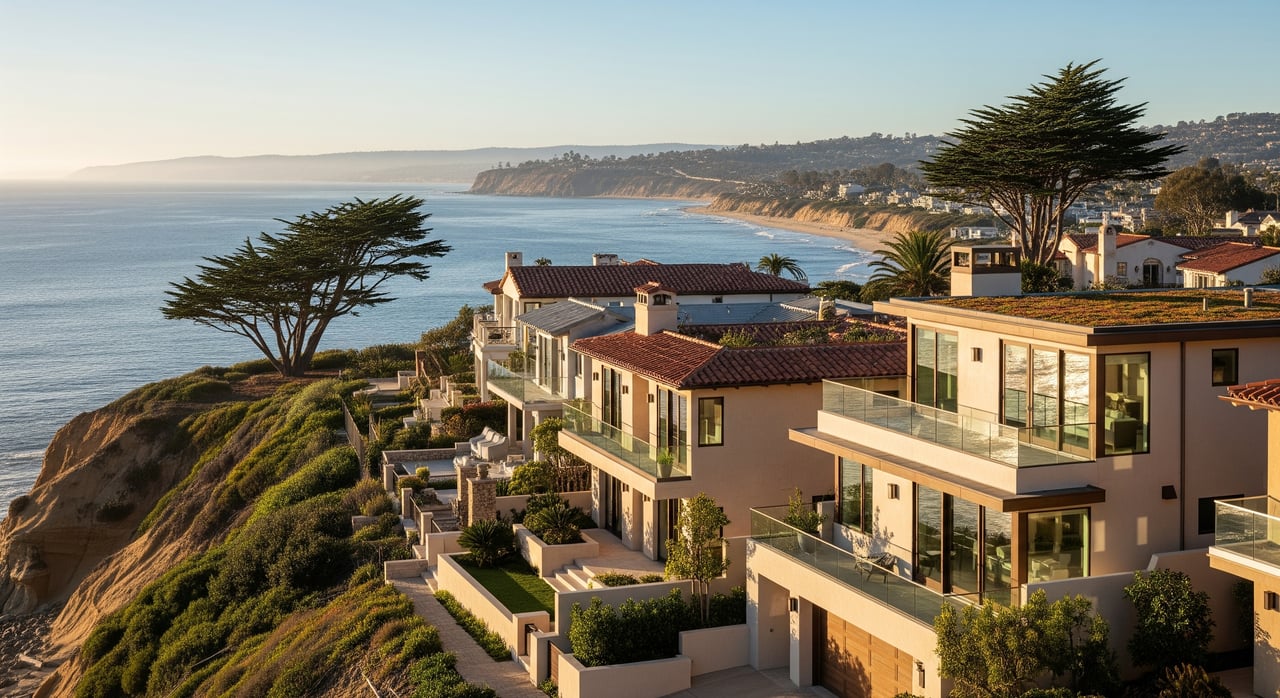
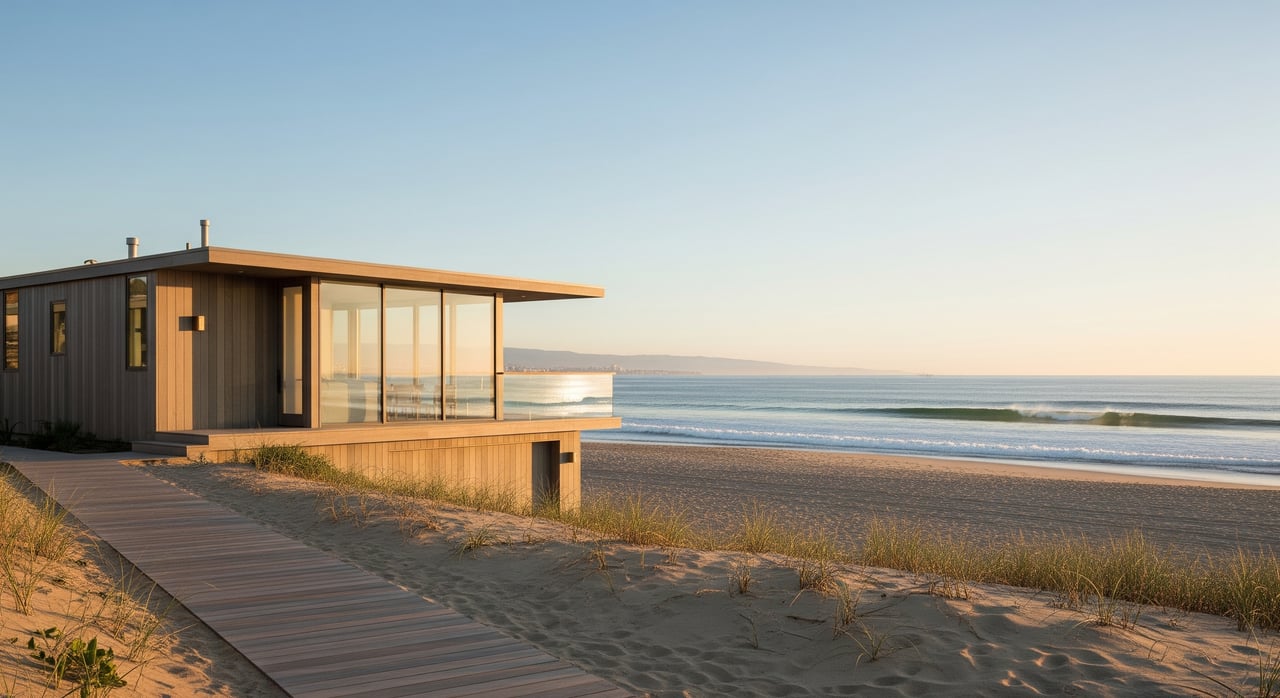
Pacific Beach and Mission Beach are close neighbors, but their housing patterns are not the same. The City of San Diego describes Pacific Beach as a primarily residential coastal community, with about 61% of its residential acreage designated single-family and 39% multifamily. Mission Beach, by contrast, sits on a narrow peninsula and is described by the city as the most densely developed residential community in San Diego.
That difference matters when you start comparing condos and houses. Pacific Beach gives you a broader mix of detached neighborhoods and multifamily corridors. Mission Beach has a tighter, more lot-by-lot mix of single-family, duplex, and apartment or condo properties, which can make the buying decision feel more block-specific.
Price differences between condos and houses
One of the biggest gaps between condos and houses in 92109 is price. According to the current MLS update for Pacific Beach and Mission Beach, the year-to-date median sales price is $2,291,225 for detached homes and $1,003,500 for attached homes. That means attached homes are about 56.2% lower on a median sales basis.
That spread is a big reason many buyers start their coastal search with condos. If you want to get close to the beach at a lower entry price, an attached property may offer a more realistic path. If you want land, more direct control, and the feel of a detached property, you should expect a much higher price point.
The neighborhood-level value picture also shows a difference between Pacific Beach and Mission Beach. Zillow’s April 30, 2026 data puts Pacific Beach’s average home value at $1,391,698 and Mission Beach’s at $1,803,027. That places Mission Beach about $411,329 higher, or roughly 29.6% above Pacific Beach.
When a condo may make more sense
A condo can make sense if your top priorities are entry price, simpler upkeep, and a more predictable ownership structure. In coastal neighborhoods where detached homes often carry a steep premium, condos can open the door to locations that might otherwise feel out of reach. They can also work well for second-home buyers who do not want to manage every exterior maintenance item themselves.
In 92109, attached inventory also has slightly more supply than detached homes. The MLS update shows 4.6 months of supply for attached homes compared with 3.1 months for detached homes, though the report notes that percentage changes can be volatile because sample sizes are small. Even so, that extra supply can give you a little more room to compare options.
Condo tradeoffs to weigh
Before you decide on a condo, look closely at the tradeoffs:
- Lower purchase price does not always mean lower monthly cost
- HOA dues can materially change affordability
- Building rules may limit pets, renovations, or rental use
- Parking rights vary by building and unit
- Shared walls and common areas can affect privacy and daily routine
For many buyers, those tradeoffs are worth it. The key is making sure the building fits your goals, not just your budget.
When a house may make more sense
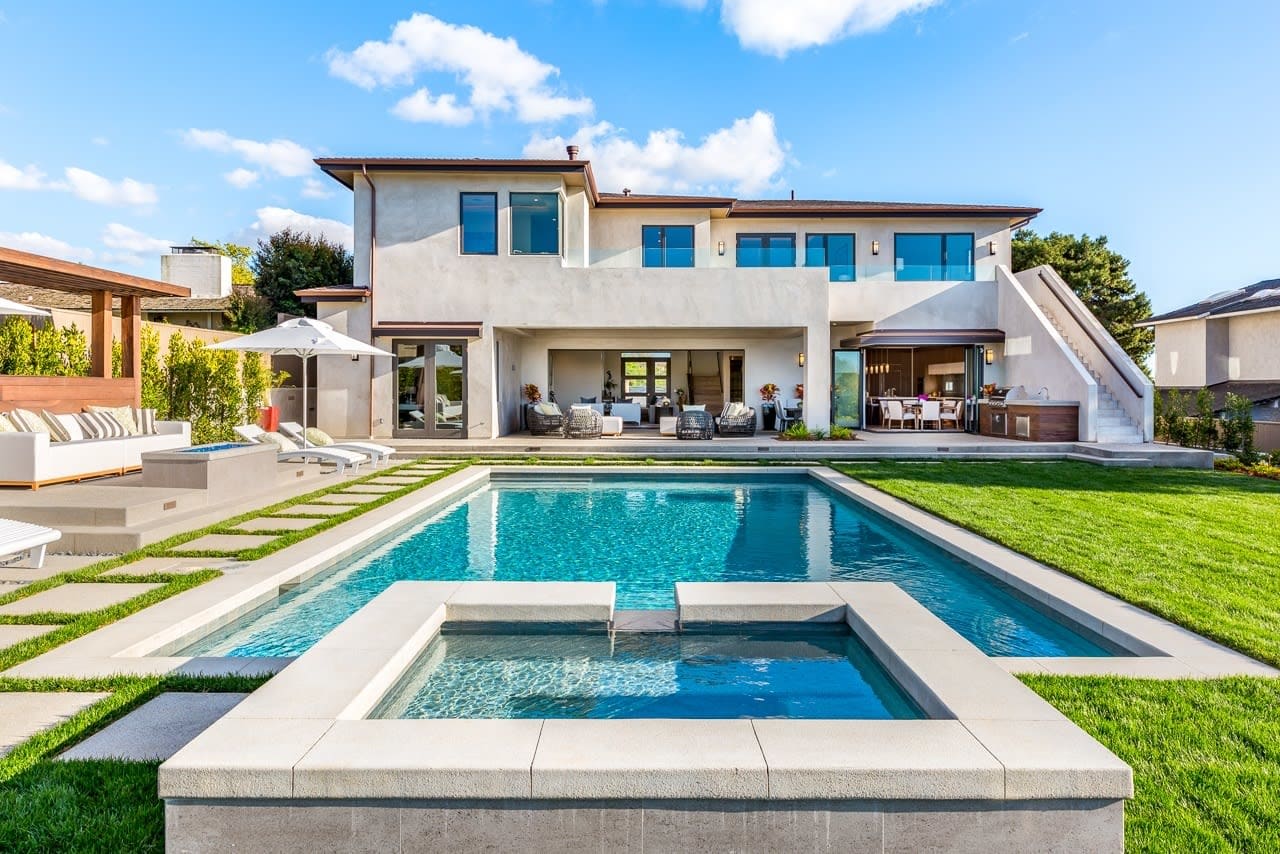
A house may be the better fit if you value more control over the property and are comfortable taking on more direct maintenance responsibility. In these coastal neighborhoods, detached homes often appeal to buyers who want land, more separation from neighbors, and fewer building-level rules.
That added control usually comes with a higher cost of entry and a different kind of ongoing responsibility. Outside an HOA, more of the repair and maintenance burden falls directly on you. For some buyers, that feels like freedom. For others, it feels like another full-time checklist.
House advantages to consider
Detached homes often appeal to buyers who want:
- More direct control over maintenance decisions
- Greater separation from neighboring units
- Yard, patio, or outdoor space tied directly to the property
- Fewer shared systems and fewer common-area rules
- Long-term value tied more directly to land ownership
In built-out coastal areas, land scarcity can be part of the appeal. The city’s planning documents note that Pacific Beach is largely built out with few vacant parcels, while Mission Beach planning documents point to aging structures and relatively high redevelopment potential. That supports the idea that scarcity, land control, and replacement cost are important parts of long-term value in both neighborhoods.
HOA dues and monthly affordability
This is where many condo buyers need to slow down and look past the list price. HOA dues are usually paid separately from the mortgage, and they can range from a few hundred dollars per month to more than $1,000 per month. In these neighborhoods, current listing examples show Pacific Beach condo HOA dues ranging from $175 to $936 per month, while Mission Beach examples range from about $150 to $1,480 per month.
Those are examples, not averages, but they show how much dues can affect your real monthly budget. A condo that looks more affordable on paper may feel very different once HOA dues are added in. That is especially important if you are comparing an attached property with a detached home that has no HOA.
What HOA dues often mean in practice
In California common-interest developments, the association typically handles repair, replacement, and maintenance of common areas. Owners handle their separate interests, and owners generally maintain exclusive-use common areas while the association handles repair and replacement. That structure can make building-level upkeep more predictable, but it also means you are buying into shared rules and shared costs.
You should review the HOA budget, rules, and what the dues actually cover before you write an offer. Two condos with similar prices can feel very different once dues, reserves, and building condition are part of the picture.
Parking matters more than many buyers expect
In Pacific Beach and Mission Beach, parking is not a small detail. It can affect daily convenience, resale appeal, and how often you use the property the way you imagined. If you are buying near the coast, parking should be treated as a major decision point.
The City of San Diego has an active Pacific Beach Community Parking District that addresses paid on-street parking, residential permit parking, shared parking, parking requirements for new development, and enforcement. The city also notes metered blocks in Pacific Beach’s commercial core. In other words, street parking is part of a larger system, not something you should assume will always be easy.
Mission Beach is even more explicit in city planning documents. The precise plan describes a serious parking deficit and notes that many older structures were built right to the property line. In Pacific Beach, the community plan applies beach-impact parking standards based on bedroom count, while Mission Beach residential parking proposals recommend 2 spaces per single-family unit, with tandem parking identified as one workaround.
Parking questions to ask before you buy
Before you commit to a condo or a house, confirm:
- How many spaces are deeded or assigned
- Whether parking is tandem, covered, or garage-based
- Whether guest parking exists and how it is regulated
- What street parking looks like nearby
- Whether the property’s setup fits your daily routine
A beautiful coastal property can feel very different after a few weeks of parking stress. That is why parking should be verified early, not treated like an afterthought.
Short-term rental rules can change the equation
If your plan includes renting the property for short stays, you need to look at city rules and building rules before assuming anything. The City of San Diego requires a short-term residential occupancy license for stays under one month anywhere in the city. The host must have the legal right to occupy the dwelling unit, and licenses are tiered, non-transferable, and valid for two years.
This is where Pacific Beach and Mission Beach separate in a meaningful way. Whole-home short-term rentals outside Mission Beach fall under Tier 3, which is capped at 1% of housing units outside Mission Beach. Whole-home short-term rentals in Mission Beach fall under Tier 4, which is capped at 30% of the Mission Beach community planning area.
As of May 8, 2026, the city showed 856 remaining Tier 3 licenses and 0 remaining Tier 4 licenses, and the Tier 4 waitlist and application period were closed. That means Mission Beach whole-home short-term rental opportunities are highly constrained at the city level. It is not a simple buy-and-rent setup.
Why this matters for condos and houses
Whether you buy a condo or a house, city rules are only part of the picture. You also need to review CC&Rs and HOA rules to see whether the building allows the use you want. If your goal is a primary residence, second home, or investment property, that distinction should shape your search from day one.
The city also requires Tier 3 and Tier 4 hosts to use the license for at least 90 days per year to keep it active. So if rental flexibility is a key part of your plan, it is worth being very specific about what is allowed before you move forward.
Which option fits your goals best?
The right choice usually comes down to your priorities. If you want a lower entry point, less hands-on exterior upkeep, and access to a coastal location that may otherwise be harder to afford, a condo may be the stronger fit. If you want more control, more separation, and value tied more directly to land and independent ownership, a house may be worth the added cost.
In Pacific Beach, the broader mix of detached and attached housing can give you more paths to choose from. In Mission Beach, the tighter layout, higher average values, and more constrained parking and rental conditions make each property more specific in how it functions. That is why the condo-versus-house decision here is never just about square footage.
A smart comparison should include price, HOA dues, maintenance responsibilities, parking, and rental rules, all viewed through the lens of how you plan to use the property. If you want help weighing those factors in Pacific Beach or Mission Beach, Rachael Kaiser can help you compare the real tradeoffs and find the right coastal fit for your goals.
FAQs
What is the price difference between condos and houses in Pacific Beach and Mission Beach?
- In the 92109 MLS update, the year-to-date median sales price was $2,291,225 for detached homes and $1,003,500 for attached homes, making attached homes about 56.2% lower on a median sales basis.
Are Mission Beach homes more expensive than Pacific Beach homes?
- Based on Zillow data from April 30, 2026, Mission Beach had an average home value of $1,803,027 compared with $1,391,698 in Pacific Beach, or about 29.6% higher.
How do HOA dues affect condo affordability in Pacific Beach and Mission Beach?
- HOA dues are typically paid separately from the mortgage, and current listing examples show a wide range, from $175 to $936 per month in Pacific Beach condos and about $150 to $1,480 per month in Mission Beach condos.
What parking issues should buyers check in Pacific Beach and Mission Beach?
- Buyers should confirm how many spaces are deeded or assigned, whether parking is tandem or covered, what guest parking rules apply, and how realistic nearby street parking is for daily use.
Can you use a condo or house as a short-term rental in Pacific Beach or Mission Beach?
- The City of San Diego requires an STRO license for stays under one month, and eligibility depends on the license tier, city availability, and any HOA or CC&R restrictions that apply to the property.
Is a condo or a house better for a primary residence in Pacific Beach or Mission Beach?
- A condo may suit buyers who want a lower entry price and more predictable shared upkeep, while a house may suit buyers who want more control, more direct maintenance responsibility, and stronger land-related ownership benefits.