Buying in Mission Beach can feel exciting right up until one big question hits you: can this property actually work as a vacation rental? In this part of San Diego, beach access and visitor demand can make the opportunity look strong, but the rules are far more layered than many buyers expect. If you are weighing a second home, an income property, or a hybrid of both, understanding the local framework can help you avoid costly assumptions. Let’s dive in.
Why Mission Beach draws vacation-rental buyers
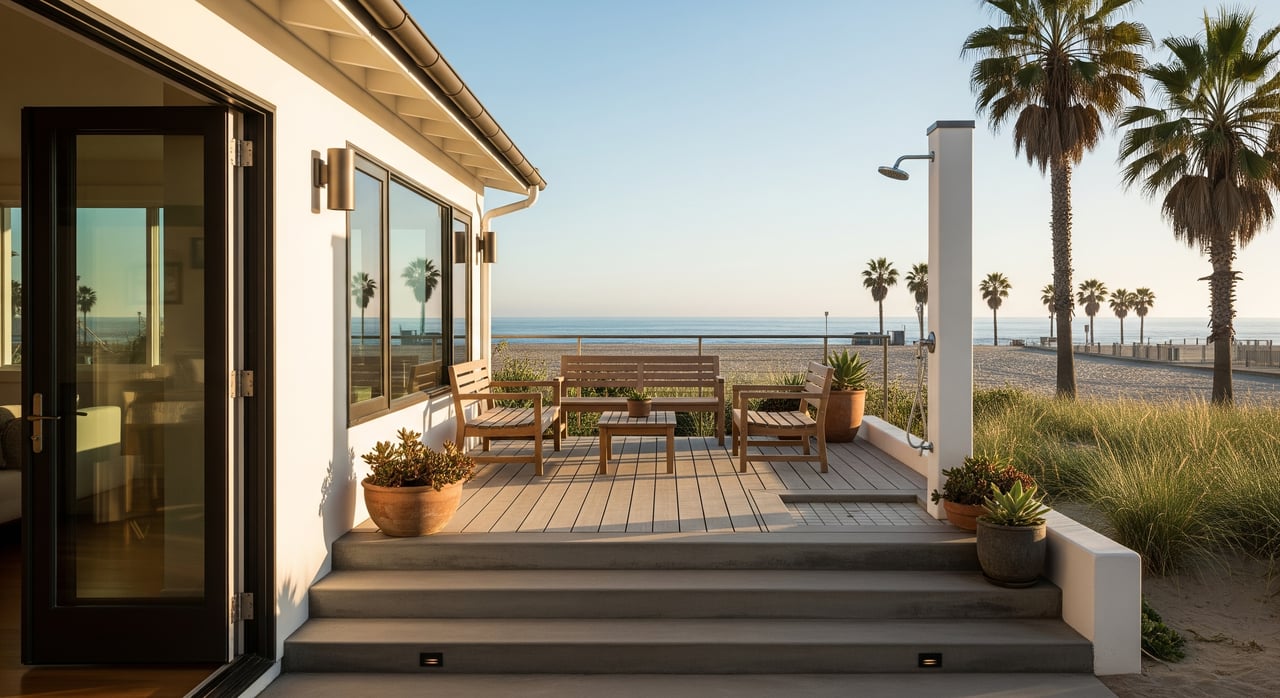
Mission Beach is not a typical coastal neighborhood. The City of San Diego describes it as a sandbar peninsula about two miles long and up to a quarter-mile wide, and also as the city’s most densely developed residential community. That combination creates a very specific real estate environment where space is limited and property use matters.
It is also one of San Diego’s most popular beach areas, with heavy summer activity around the oceanfront and Belmont Park. City reporting describes Mission Beach as a long-established market for both short-term and longer-term rentals, with a pattern of weekly rentals in summer and longer stays in the cooler seasons. For you as a buyer, that means demand can be real, but it also means competition, seasonality, and regulation are all part of the story.
The rewards of owning in Mission Beach
The appeal is easy to see. Mission Beach is a well-known destination, and that visibility can support strong peak-season interest when visitor traffic rises. For buyers who want a coastal property that may also produce income, that can be a meaningful advantage.
There is also a practical lifestyle benefit. Some buyers are not looking for a purely income-driven asset. They want a home they can enjoy personally while still exploring allowed rental use during parts of the year. In the right situation, Mission Beach can offer that mix of personal enjoyment and income potential.
Still, the reward side only works if the property fits your intended use. In this market, ocean proximity alone does not tell you enough.
The biggest risk: assuming short-term rental use
This is where many buyers can get into trouble. In Mission Beach, you cannot assume that buying a property means you can immediately operate it as a whole-home vacation rental. The City of San Diego requires a Short-Term Residential Occupancy, or STRO, license for stays of less than one month, and the rules apply regardless of base zoning.
That matters because your strategy may depend on a license that is limited, non-transferable, or unavailable. The city states that a host may hold only one license at a time and may not operate more than one dwelling unit for STRO at a time. Licenses also do not transfer between owners, locations, or dwelling units.
For Mission Beach specifically, the whole-home Tier 4 category is especially important. As of May 8, 2026, the city reported 1,097 Tier 4 licenses issued and 0 remaining, and the waitlist closed on August 15, 2025. If you are buying with a whole-home vacation-rental plan in mind, that license position must be verified before you move forward.
How San Diego’s STRO tiers affect Mission Beach
San Diego uses four STRO license tiers, and the right one depends on how the property will be used. In general, Mission Beach buyers tend to focus on home-sharing rules, primary-residence use, and the Mission Beach whole-home category.
Tier 2 home sharing and primary residence use
If the dwelling is your primary residence and you occupy it at least 275 days per year, the city says a Tier 2 license can allow up to 70 days of whole-home STRO. This can be relevant if you are buying a property you truly plan to use as your main home, not simply as a vacation asset.
That said, this is a narrow path. It depends on your actual occupancy and primary-residence status, so it is not a substitute for a whole-home investor model.
Tier 4 whole-home use in Mission Beach
Tier 4 is the Mission Beach whole-home category. It is the framework most buyers think of when they picture a classic beach vacation rental, but it is also the category that is currently fully allocated.
This is why due diligence matters so much. If your purchase only makes sense with whole-home short-term rental income, you need to confirm what is legally possible for that specific property rather than relying on neighborhood reputation.
Minimum use and stay rules
For whole-home rentals, the city says 21 to 89 days per year is not allowed. Tier 3 and Tier 4 licenses require at least 90 days of STRO utilization per year, quarterly utilization reports, and a two-night minimum stay.
That creates a planning issue for buyers. You are not just checking whether short-term rental use is allowed. You are also checking whether your intended schedule and projected revenue fit the city’s operating rules.
Taxes and compliance are part of the math
If you are underwriting a Mission Beach vacation rental, taxes and compliance need to be part of the numbers from day one. Any stay under one month requires a Transient Occupancy Registration Certificate, and the city says there are no exceptions if a property is rented short-term without one.
Effective May 1, 2025, San Diego’s transient occupancy tax became zone-based at 11.75 percent, 12.75 percent, or 13.75 percent. That means the tax rate is not something you should estimate broadly. You need to confirm the parcel’s tax zone.
There is more. Owners who rent all or part of a property for more than six days in a calendar year also owe Rental Unit Business Tax, and non-owner hosts need a business tax certificate. Taken together, these requirements reinforce a simple point: a Mission Beach short-term rental operates more like a small lodging business than a passive side income stream.
Mission Beach zoning adds another layer
Mission Beach is governed by its own planned district. The city says this district was designed around the area’s small-lot, highly urbanized development pattern, and it includes residential subdistricts such as R-N and R-S for low-profile development.
The practical takeaway is that a property’s value and usability depend on more than location. Parcel history, subdistrict, parking, site layout, and whether the structure can legally support your goals all matter. The planned district also requires a Mission Beach Planned District Permit before occupancy or construction in any portion of the district.
This is one of the biggest reasons buyers benefit from local guidance. A house, condo, or mixed-use-looking property may appear to fit a vacation-rental strategy on the surface, but the legal and practical use profile can be much narrower.
Not every extra unit can be rented short-term
Accessory dwelling units are a common point of confusion. In San Diego, ADUs are not eligible for STRO use, except for older permitted companion units approved before October 15, 2017.
If you are looking at a property with a garage conversion, detached add-on, or extra living area, do not assume it can be used as a short-term rental. That detail can materially change income projections and your overall purchase strategy.
Seasonal demand can boost income and strain cash flow
Mission Beach’s tourism appeal is one reason buyers stay interested, but seasonality should be treated as a real operating factor. Public lodging data from the San Diego Tourism Authority show a clear leisure-demand cycle, with occupancy at 59.7 percent in the week of January 5 to 11, 2025, 61.3 percent during the year-end period ending January 4, 2025, 75.5 percent during Memorial Day week of May 25 to 31, 2025, and 77.7 percent in mid-August 2024.
These are hotel metrics, not short-term rental figures, but they still help illustrate the broader seasonal pattern. That pattern also aligns with the city’s description of Mission Beach as a summer crowd destination with longer off-season stays and more weekly summer rentals.
For you, the message is straightforward. Peak-season income may be attractive, but cash flow can be uneven, and off-season performance may look very different.
A smart buying checklist for Mission Beach
Before you write an offer, make sure you verify three separate layers of the property.
1. Confirm parcel and district fit
Look at the parcel history, subdistrict, parking setup, and site layout. In Mission Beach, a property’s physical and legal setup can directly affect what you can do with it.
2. Verify STRO eligibility
Do not assume the property qualifies for the license path you want. Confirm whether the intended use fits Tier 2, Tier 4, or neither, and remember that licenses are not transferable between owners or locations.
3. Check tax and operational obligations
Review transient occupancy requirements, tax-zone implications, business tax exposure, and reporting obligations. Your return depends on net income, not just gross booking assumptions.
4. Underwrite seasonality honestly
Use a model that accounts for strong summer demand, softer off-season periods, taxes, turnover, and management. If the deal only works under best-case assumptions, it may not be the right fit.
What this means for buyers today
Mission Beach vacation rentals still offer real appeal, but they are no longer a simple buy-and-rent story. The opportunity is strongest when you approach it with a property-specific strategy, realistic numbers, and a clear understanding of the city’s rules.
For some buyers, the right Mission Beach purchase will be a primary residence with limited allowed short-term use. For others, it may be a second home that makes sense first as a lifestyle purchase and only second as a revenue opportunity. And for some properties, the best value may have nothing to do with short-term rental use at all.
If you are considering a Mission Beach purchase, the key is to separate what feels possible from what is actually supportable on paper. That kind of clarity can protect your downside and help you spot the right opportunity when it appears.
Mission Beach is one of San Diego’s most distinctive coastal micro-markets, and the details matter here. If you want local guidance on buying, selling, or evaluating a coastal property strategy, connect with Rachael Kaiser for tailored insight and white-glove support.
FAQs
What are the short-term rental rules for Mission Beach properties?
- Mission Beach properties used for stays of less than one month need a City of San Diego STRO license, and whole-home Mission Beach licensing is currently fully allocated, so eligibility must be checked for the specific property.
Can you buy a Mission Beach home and use it as a whole-home vacation rental?
- You should not assume that you can, because Mission Beach whole-home Tier 4 licensing is fully allocated and licenses are not transferable between owners, locations, or dwelling units.
What taxes apply to Mission Beach vacation rentals?
- Stays under one month require a Transient Occupancy Registration Certificate, transient occupancy tax applies based on the parcel’s tax zone, and owners renting more than six days per year may also owe Rental Unit Business Tax.
Can an ADU in Mission Beach be used as a short-term rental?
- In most cases, no, because the city says ADUs are not eligible for STRO use except for older permitted companion units approved before October 15, 2017.
Is Mission Beach a seasonal vacation-rental market?
- Yes, Mission Beach shows a strong seasonal pattern, with heavier summer demand and a local rental model that the city describes as more weekly in summer and longer-term in the off-season.