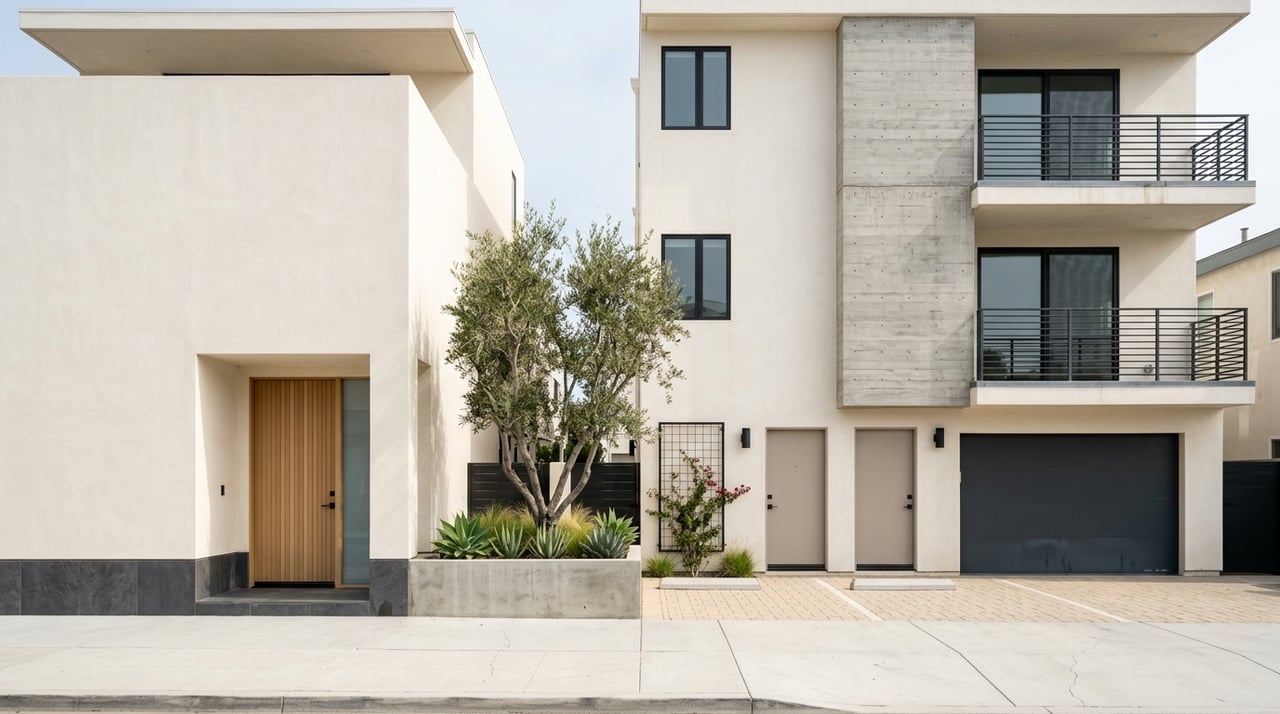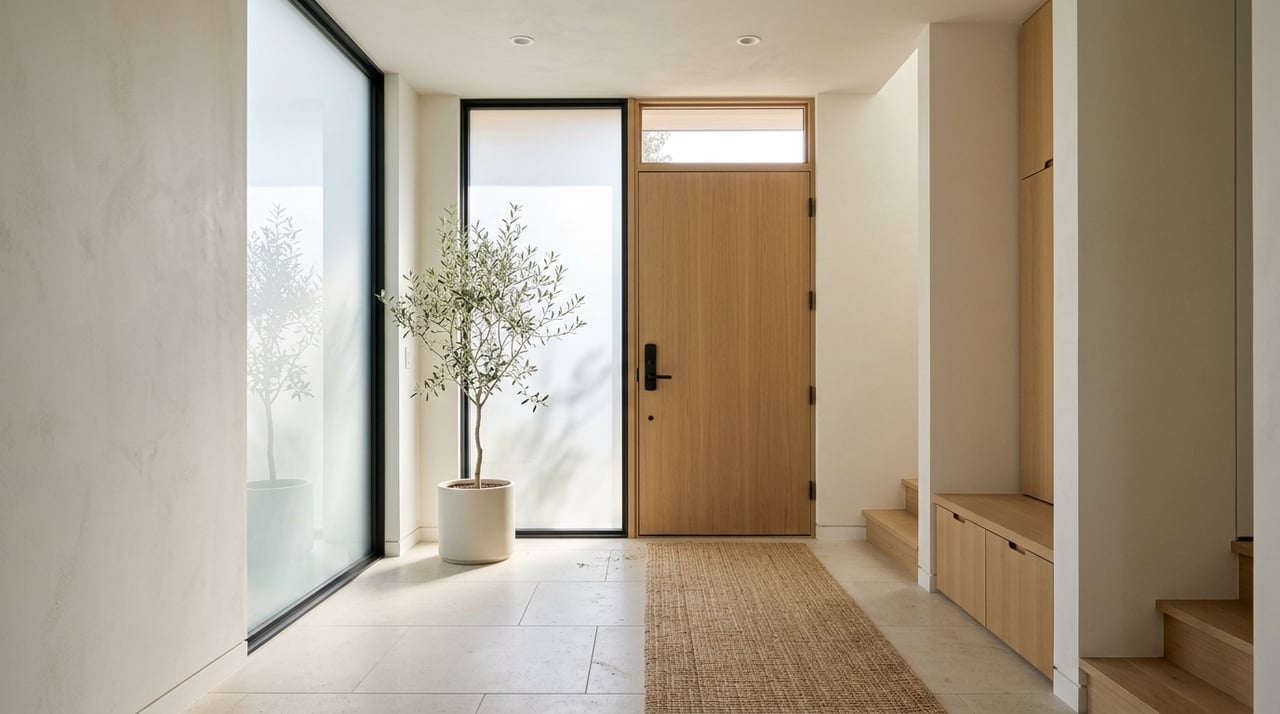
If you have lived in La Jolla for years, downsizing can feel like two major life events at once: selling a home full of memories and choosing what comes next. The good news is that you may be moving from a position of strength in a market where home values remain high and well-presented properties are still selling close to asking. With the right plan, you can simplify the process, protect your timing, and make smart decisions about your next move. Let’s dive in.
Why downsizing in La Jolla takes planning
La Jolla remains a high-value market, with recent reports putting median sale prices roughly in the $2.34 million to $2.4 million range. Median days on market have been running around 38 to 46 days, and homes have been selling at about 98.6% to 99% of list price. Some trackers have described the area as a seller’s market, while others call it somewhat competitive, with some homes receiving multiple offers.
For you, that means demand is still there, but results are not automatic. Timing, presentation, and pricing still matter. In a market like this, the goal is usually not to pour money into a major remodel. It is to make thoughtful updates that help buyers see value quickly.
There also appear to be roughly 200 to 223 homes on the market in recent spring 2026 snapshots. That suggests you may have options for a replacement home, but not unlimited choices in every price point or property type. If you are planning to sell and buy around the same time, coordination matters just as much as market conditions.
Start with your downsizing goals
Before you schedule repairs or call a mover, get clear on what downsizing means for you. Some homeowners want less maintenance. Others want single-level living, a lock-and-leave condo, or a home that better fits travel plans or a new budget.
Your next-home goals will shape almost every decision that follows. They affect your ideal sale timeline, how much prep work makes sense, and whether you need flexibility between selling your current home and buying the next one.
A few helpful questions to ask yourself early include:
- Do you want less square footage, less outdoor upkeep, or both?
- Do you want a condo, townhome, or smaller detached home?
- Will your next home be your primary residence?
- Do you need the proceeds from your current sale before you buy?
- Are you hoping to preserve a favorable property tax basis under Proposition 19?
Prep the sale without over-improving
One of the biggest mistakes longtime homeowners can make is assuming they need a full renovation before listing. In La Jolla, that is often not the most practical path. Buyers still respond strongly to clean, well-maintained, move-in-ready homes, especially when the property is presented well.
In San Diego, permits are required for construction, additions, remodeling, and repairs involving electrical, mechanical, and plumbing systems. Some smaller jobs are generally exempt, including painting, wallpapering, flooring, cabinets, and certain maintenance repairs under $1,000 that involve like-for-like replacement. But in La Jolla, some projects may still require extra review in coastal, environmentally sensitive, or historic areas.
That makes pre-listing triage especially important. You want to separate the work that improves marketability from the work that adds cost, delay, and permit complexity.
Focus on high-impact updates
For many downsizers, the best pre-sale work is simple and visible. Think in terms of polish, safety, and deferred maintenance rather than major construction.
Prioritize items like:
- Safety-related repairs
- Obvious deferred maintenance
- Fresh paint
- Updated light fixtures or hardware
- Landscaping touch-ups
- Deep cleaning
- Staging and photography prep
These updates can improve first impressions without dragging you into a long renovation schedule. They also tend to be easier to coordinate while you are sorting, packing, and deciding what will move with you.
Check permit triggers early
Before any work begins, review whether your repair list could trigger permit requirements. This is especially important for exterior work, system repairs, or any project that might affect the public right-of-way.
If you plan to use a moving pod, dumpster, or temporary storage container, keep in mind that San Diego requires a permit when those items encroach on the public right-of-way. That small detail can become a real scheduling issue if you are trying to pack, stage, and show the home at the same time.
Build a realistic sale timeline
A smooth downsizing move usually comes from sequencing the details early. In a coastal market, where presentation counts and replacement options may be limited, a rushed timeline can make the process more stressful than it needs to be.
Start by mapping out your sale prep, listing window, and move plan together. This lets you coordinate repairs, staging, photography, and showings with your packing schedule instead of treating each task like a separate project.
A simple downsizing timeline
Here is a practical way to think about the process:
- Clarify your next-home plan Decide what type of property you want and whether timing on a replacement purchase will matter for taxes or financing.
- Create a repair and prep list Separate cosmetic updates from larger projects that may need permits or more time.
- Begin sorting and editing Downsizing is easier when you start early and work in stages.
- Schedule staging and photography Line these up after repairs and before your home goes live.
- List with a pricing strategy tied to current demand In La Jolla, homes are still selling near asking, but pricing should reflect the property’s condition and competition.
- Coordinate your move and replacement purchase This step is especially important if you want to use Proposition 19 or need a bridge between transactions.
Understand the tax checkpoints
For many longtime homeowners, tax planning is one of the most important parts of downsizing. It is easy to focus only on sale price, but your net outcome can also depend on capital gains rules and property tax planning.
Federal law may allow you to exclude up to $250,000 of gain if you are an individual, or up to $500,000 if you are married filing jointly, as long as you meet the ownership and use tests. The IRS says the home generally must have been owned and used as your main home for at least two of the five years before the sale.
That said, not every sale is simple. A sale may still need to be reported in some cases, and losses on a personal residence are generally not deductible. If you have owned your home for a long time, this is a good point to review with a CPA or tax attorney before you list.
Why Proposition 19 matters
If you are age 55 or older, Proposition 19 may be a major part of your downsizing strategy. San Diego County says eligible homeowners can transfer their Proposition 13 assessed value to a replacement primary residence anywhere in California, and may do so up to three times.
The county also states that both the original and replacement homes must be principal residences that qualify for the homeowner’s exemption. The sale and replacement purchase can happen in either order, as long as both occur within two years. The application must be filed within three years of buying the replacement property.
If the replacement home costs more than the one you sold, the excess market value is added to the transferred assessed value. The county also notes that your actual tax bill can still vary based on the local tax rate at the new property. That is why it is smart to treat Proposition 19 as a planning tool, not an estimate by itself.
Choose the right next home
Downsizing is not just about moving into something smaller. It is about moving into something that supports your lifestyle better. In La Jolla and greater San Diego, that often means comparing detached homes with condos or townhomes that offer a lower-maintenance setup.
If you are considering a condo, townhome, or other lock-and-leave property, HOA review should be part of your search from the beginning. In California, HOAs can create and enforce rules, and the community’s CC&Rs can define rights, responsibilities, and property use limitations.
Review HOA details carefully
Before you commit to a community, look closely at:
- Monthly dues
- Maintenance responsibilities
- Rules on exterior changes
- Use restrictions
- Any limitations that affect your travel plans or property use
This step matters because the practical day-to-day experience can vary a lot from one community to another. A smaller home can simplify life, but only if the rules and obligations fit how you want to live.
Think through rental plans in advance
Some downsizers want the option to rent their replacement property part-time when traveling. If that is on your mind, do not assume every property will allow it.
In San Diego, rentals of less than one month require a Transient Occupancy Registration Certificate and a short-term residential occupancy license. The city also says property owners who rent all or part of a property for more than 6 days in a calendar year must remit Rental Unit Business Tax. In addition, accessory dwelling units cannot be used for short-term residential occupancy.
On top of city rules, HOA restrictions may also apply. So if occasional rental income is part of your plan, make that a search criterion from day one.
Make the move easier on yourself
The emotional side of downsizing is real. It is not just a transaction. It is also a process of deciding what you want to keep, what fits your next chapter, and how you want your daily life to feel after the move.
Start editing earlier than you think you need to. It is often easier to sort one room at a time, keep only what fits your next home and lifestyle, and avoid moving items you already know you do not want.
This is also where high-touch coordination can make a big difference. When your sale prep, staging, vendor scheduling, marketing, and move timeline are all connected, the process tends to feel far more manageable.
A La Jolla downsizing strategy that fits the market
In a market where homes still sell close to asking and replacement options are available but not endless, the best downsizing plan is usually a balanced one. You want to present your current home well, avoid unnecessary renovation risk, and line up your next move with clear financial and timing goals.
For many La Jolla homeowners, that means focusing on smart prep instead of overbuilding, understanding Proposition 19 before making big decisions, and doing careful due diligence on the next property. When those pieces come together, downsizing can feel less like giving something up and more like gaining simplicity, flexibility, and peace of mind.
If you are starting to think about your next move in La Jolla, Rachael Kaiser can help you build a tailored downsizing plan with local market guidance, thoughtful prep strategy, and white-glove support from sale to next purchase.
FAQs
What does downsizing in La Jolla usually involve?
- Downsizing in La Jolla often involves planning your sale, deciding how much prep work to do, evaluating replacement-home options, and coordinating timing around taxes, financing, and the move itself.
Do La Jolla homeowners need to remodel before selling?
- Often, no. In many cases, cosmetic updates, maintenance repairs, staging, and strong presentation are more practical than major renovation, especially when larger projects may trigger permit review.
Do San Diego permits matter for La Jolla listing prep?
- Yes. San Diego requires permits for many types of construction, remodeling, and system repairs, and some projects in La Jolla may face added review because of coastal, environmentally sensitive, or historic considerations.
Can a homeowner age 55 or older transfer property taxes when downsizing in California?
- Possibly. San Diego County says eligible homeowners age 55 or older may transfer their Proposition 13 assessed value to a replacement primary residence anywhere in California, subject to Proposition 19 rules and timelines.
Should downsizers review HOA rules before buying a condo in San Diego?
- Yes. HOA dues, CC&Rs, maintenance obligations, and use restrictions can vary by community, so they should be reviewed early in your search.
Can a downsizer rent out a new San Diego home part-time?
- Maybe. San Diego has local short-term rental and tax rules, and HOA restrictions may also limit rentals, so the answer depends on the property and community.